
Blog & Columns
Useful information about health and Korean medicine.
Total 978 posts

This Uncontrolled Pain Is Eating Away at My Life | Postherpetic Neuralgia in Your 50s
This uncontrolled pain, it's eating away at my life" | Postherpetic Neuralgia in people in their 50s...

Geriatric Insomnia: More Than Just Sleepless Nights
Geriatric insomnia, it's not just a problem of sleepless nights...

Chronic Postpartum Syndrome: Do I Just Have to Live With It Now?
Long-standing postpartum wind syndrome, do I just have to live with it now?

My Scalp Is Suddenly So Itchy After Childbirth | Scalp Itching
<strong>My scalp is suddenly so itchy after childbirth | Itchy Scalp: From Causes to Solutions</strong>

The Fog in Your Head: The Cause Was in Your Gut, Not Your Brain | Brain Fog
Brain fog, the cause wasn't the brain, but the 'gut'...
Chronic Urticaria: Recurrent Itching
Chronic Hives: Recurring Itch, How to Read the Underlying Warnings Your Body Is Sending...
Headache with Visual Aura → Is It Migraine Aura Symptoms?
Headache preceded by visual disturbances...
Computer Headache: It Might Not Just Be an Eye Problem
Your computer headache might not just be a problem with your eyes...
An exhausted body after childbirth, which postpartum diet method is safe?
An exhausted body after childbirth, which postpartum diet method would be safe?...
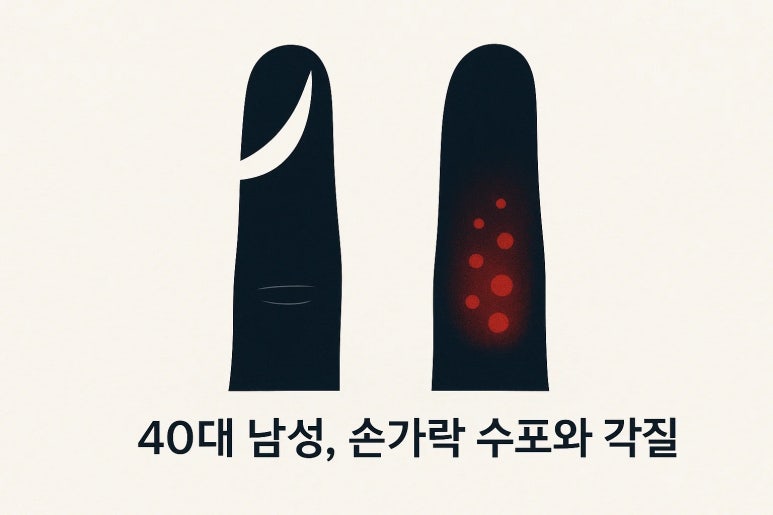
Blisters and Peeling Skin on Fingers: Is It Keratoderm or Herpes?
Finger Blisters and Peeling—Is It Keratoderma or Dyshidrotic Eczema? In your late 40s, your hands have worked tirelessly all these years. Then one day, you suddenly notice small blisters and itching on your fingers. You might dismiss it as minor, but then the skin starts peeling, and it becomes increasingly bothersome. When you search "finger blisters" on the internet, a flood of unfamiliar medical terms comes up...
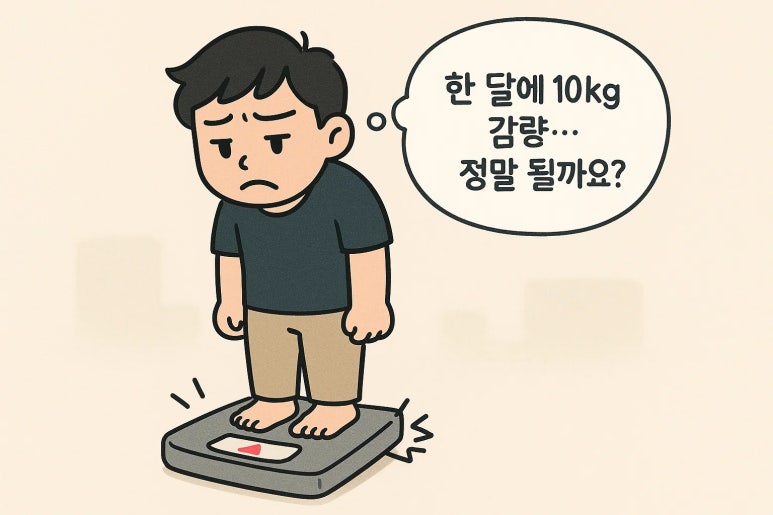
Diet Without Exercise | Can You Really Lose Weight Without Exercise?
Is weight loss truly possible, even without exercise?<br><br>Recently, the market for obesity treatment drugs is experiencing significant innovation. While treatment previously focused mainly on appetite suppressants, it is now evolving into an approach that induces weight loss through <b>hormone regulation</b>. Notably, drugs like 'Wegovy' or 'Zepbound' provide various benefits such as <b>appetite suppression and increased satiety</b>, along with <b>improved insulin resistance</b>, thereby maximizing their weight loss effects.<br><br>The key to these drugs lies in our body's <b>'gastrointestinal hormones'</b>. Specifically, a hormone called <b>'GLP-1'</b> plays a crucial role in regulating appetite and inducing a feeling of fullness. Recently developed obesity treatment drugs help with weight loss by precisely mimicking or enhancing the action of this GLP-1.

Got Belly Fat After Frequent Work Dinners? Wondering How to Lose That Beer Gut?
<p>With frequent company dinners and drinking gatherings, an unavoidable reality, how should we manage the growing 'drinking belly'?</p> <p>Abdominal obesity, commonly called a 'drinking belly,' can be a cause of chronic diseases such as general obesity, high blood pressure, and diabetes. This means it is not merely an aesthetic problem but can also be a serious threat to health.</p> <p>Especially for women, visceral fat can rapidly increase as the secretion of the female hormone estrogen decreases after menopause. This is a phenomenon where fat that was accumulated as subcutaneous fat in areas such as the thighs or buttocks before menopause shifts to abdominal visceral fat. Therefore, women need more careful abdominal management before and after menopause.</p> <p>Abdominal obesity increases insulin resistance, raising the risk of developing diabetes, and also raises the risk of cardiovascular diseases such as high blood pressure and hyperlipidemia. Furthermore, it can lead to various health problems, including increasing the risk of fatty liver, sleep apnea, and certain cancers.</p> <p>To prevent these problems and maintain a healthy life, managing the 'drinking belly' is essential. Beyond simply drinking less, comprehensive lifestyle changes are needed, including diet management, regular exercise, and stress management.</p> <p>In the next post, we will explore specific methods for managing the 'drinking belly' in detail.</p>