Cervicogenic Headache - A Korean Medicine Doctor's Comprehensive Guide

Table of Contents
Understanding Cervicogenic Headache - A Korean Medicine Doctor's Guide
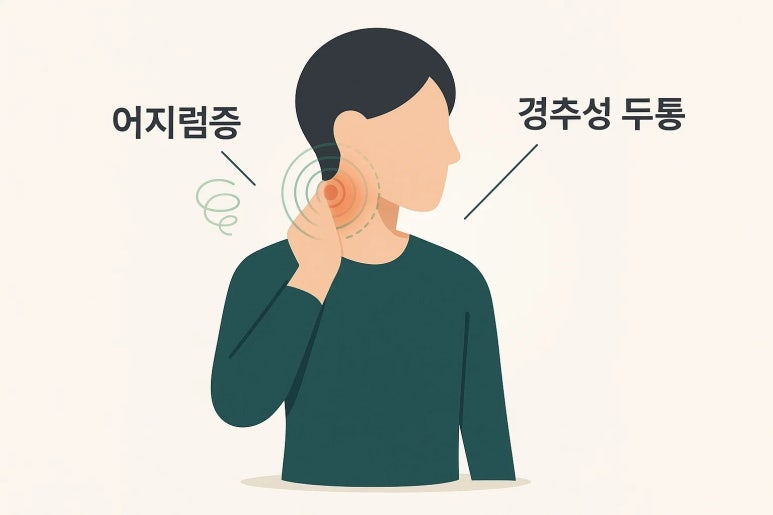
Cervicogenic headache is a type of headache caused by problems in the cervical spine or neck soft tissues. It's often misdiagnosed as migraine or tension headache.
Characteristics of Cervicogenic Headache
1. Unilateral Presentation
Usually affects one side of the head only, with a relatively fixed pain location.
2. Aggravated by Neck Movement
Turning or tilting the head may worsen the headache.
3. Neck Trigger Points
Pressing certain points on the neck can trigger or intensify the headache.
4. Pain Radiation
Pain may radiate from the back of the head toward the forehead and around the eyes.
Differentiating from Other Headaches
| Type | Cervicogenic | Migraine | Tension |
|---|---|---|---|
| Location | Usually one-sided | One or both sides | Both sides, band-like |
| Quality | Dull, radiating upward | Throbbing | Pressure sensation |
| Trigger | Neck movement | Light/sound | Stress/fatigue |
| Associated | Neck stiffness | Nausea, light sensitivity | No obvious association |
Korean Medicine Treatment
1. Acupuncture
Targeting specific points on the neck and head to relieve pain and improve blood circulation.
2. Manual Therapy (Tuina)
Relaxing neck muscles and adjusting cervical spine alignment through hands-on treatment.
3. Herbal Medicine
Prescribing formulas based on individual constitution and symptom characteristics.
4. Posture and Lifestyle Guidance
Preventing recurrence from the root cause.
Accurate diagnosis is the first step to effective treatment. If your headaches always seem connected to neck issues, consider the possibility of cervicogenic headache.