"Bloated with Neck Pain" | Cervical Disc-Related Indigestion in a 30-Something Office Worker

Table of Contents
"Bloated with Neck Pain" - Cervical Disc-Related Indigestion in 30-Something Office Workers
Experiencing bloating and neck pain at the same time might seem like a coincidence, but they can actually be related. This combination is increasingly common in desk workers.
How Are Neck Problems and Digestion Connected?
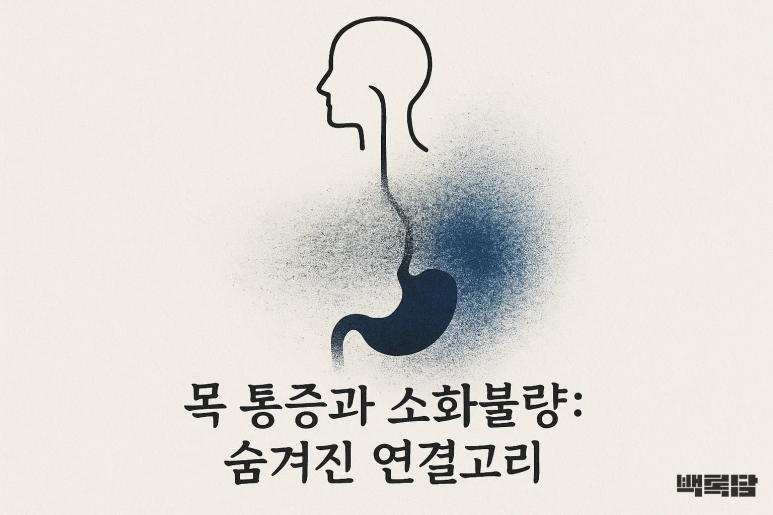
The Vagus Nerve Connection:
The vagus nerve, which controls many digestive functions, runs through the neck. Cervical spine issues can irritate this nerve, affecting:
- Stomach motility
- Digestive enzyme secretion
- Overall gut function
Postural Impact:
Forward head posture compresses the abdomen and affects diaphragm movement, impacting digestion.
Stress and Tension:
Chronic neck tension often accompanies overall stress, which directly affects digestive function.
Common Symptoms
- Bloating that worsens with desk work
- Neck stiffness accompanying digestive issues
- Symptoms improving on rest days
- Headaches with digestive complaints
Treatment Approach
Addressing the Neck:
- Cervical spine treatment
- Posture correction
- Muscle tension release
- Ergonomic adjustments
Supporting Digestion:
- Herbal formulas for both issues
- Acupuncture treating both areas
- Breathing exercises
Workplace Changes:
- Regular breaks every 30-45 minutes
- Standing desk consideration
- Monitor and keyboard positioning
- Neck stretches throughout day
Korean Medicine Perspective
In Korean medicine, this presentation often reflects:
- Liver qi stagnation (affecting both neck/shoulders and digestion)
- Spleen-stomach weakness
- Stress accumulation
Treatment addresses both the structural issue and the digestive function simultaneously.
Sometimes treating one symptom requires addressing a seemingly unrelated area. The body is more connected than we realize.