
Even when breathing, the mind feels as bleak as fog | Incheon Atrophic Rhinitis

Table of Contents
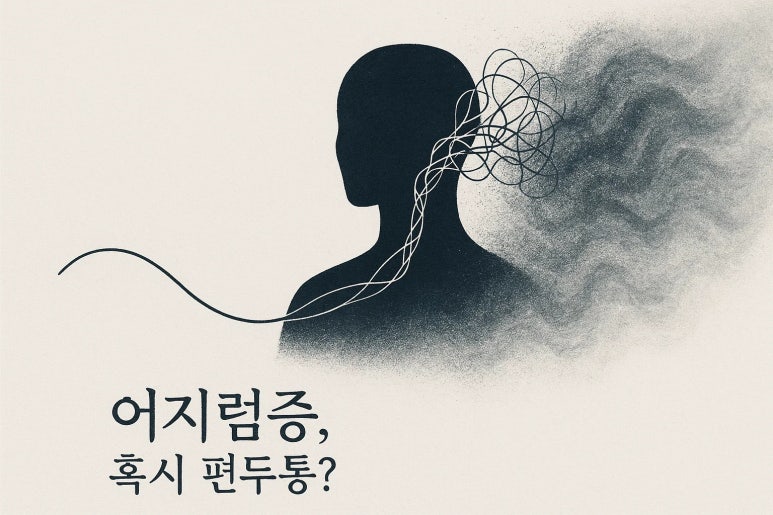
Even when breathing, it doesn't feel refreshing. A heavy pressure and pain as if the area around the nose and forehead is tightly filled. Along with an unpleasant feeling of foreign matter constantly flowing down the back of the throat (post-nasal drip), the joy of food fades as the sense of smell dulls.
“My nose is so blocked that my head feels foggy. I can't concentrate, and I keep waking up at night because it's hard to breathe.”
Sinusitis is not simply a problem of a blocked nose. It is a disease that fills the mind, which should be clear, with a stifling fog, stealing away our concentration, comfortable sleep, and a refreshing day.
Causes and Symptoms
Small rooms inside our face where the 'ventilation ducts' are blocked
Inside our facial bones, there are several 'small rooms' called 'paranasal sinuses'. These rooms are connected to the nose through 'ventilation ducts (natural ostia)', serving to circulate air and discharge secretions. But what happens when these small and sensitive 'ventilation ducts' become swollen and blocked due to a cold, rhinitis, or allergies?
Just as moisture builds up and mold grows in a bathroom with a closed door, secretions cannot escape and pool inside the rooms called sinuses. This pool of secretions becomes an environment where bacteria thrive, causing inflammation and turning into yellow pus. This is exactly what sinusitis (paranasal sinusitis) is.
Traditional Korean Medicine Perspective
Dirty 'windows' are a problem with the 'ventilation system'
In Traditional Korean Medicine, the nose is viewed as the 'window of the lungs (肺)'. When the window becomes dirty and its function declines, it is a signal that the function of the lungs, which governs the 'ventilation system' of the entire house, has weakened. When the lung energy (Lung Qi 肺氣) weakens, the body cannot smoothly circulate air and moisture.
Due to this, unnecessary 'heat (熱)' and 'moisture (phlegm-fluid 痰飮)' stagnate in the spaces of the nose and sinuses, becoming sticky yellow nasal mucus and causing inflammation. Therefore, treatment in Traditional Korean Medicine goes beyond simply draining the pus from the nose; it focuses on cooling the heat around the 'ventilation ducts' (clearing heat 淸熱), drying up the stagnant moisture (removing moisture 祛濕), and ultimately strengthening the power of the 'ventilation system (lungs)' itself (tonifying Lung Qi 補肺氣) to help the body maintain a clear and healthy nose on its own.
Lifestyle Management
3 daily habits to clear a blocked nose
Small daily practices are a great help in restoring healthy circulation in the sinuses.
- Habit 1: Nasal Rinse
Nasal irrigation using saline is one of the most effective ways to directly wash away pus and inflammatory substances pooled in the sinuses and keep the nasal mucosa moist. - Habit 2: Humidity Control
Dry air irritates the nasal mucosa and worsens symptoms. Use a humidifier or wet towels to maintain indoor humidity at 40~50%, and drink plenty of warm water to help keep nasal mucus thin. - Habit 3: Inflammation Care
Avoid external irritants such as cigarette smoke or fine dust, and identify allergy triggers to minimize contact. Reducing the body's inflammatory response is the shortcut to preventing chronicity.
Prognosis and Golden Time
Will you get used to a 'stifling head'?
Chronic nasal congestion and headaches can easily become part of daily life, making one numb to the discomfort. However, leaving this state untreated leads to decreased concentration and memory loss due to chronic oxygen deficiency, and a decline in sleep quality, gradually eating away at the overall vitality of life.
In severe cases, inflammation may spread to surrounding areas and cause other problems. However, recognizing this signal and clearing the blocked paths of the sinuses is a choice to recover the overall 'quality of life'—beyond simply breathing freely through the nose, it clears a head that was stifling like fog and restores the day's energy through deep sleep.
#Sinusitis #SinusitisTKMClinic