
Chronic Rhinitis: A New Perspective

Table of Contents
Chronic Rhinitis: A Fresh Look from Everyday Life and Traditional Korean Medicine
Ah, chronic rhinitis! What a nuisance! How many people haven't experienced the annoyance of a runny nose, sneezing, and itching almost daily? Chronic rhinitis seems to have become an unwelcome, yet common, part of our lives, much like cherry blossoms in spring or autumn foliage. But let's talk about how this seemingly minor discomfort can profoundly affect our lives, and how Traditional Korean Medicine (TKM) views and approaches it.
Chronic rhinitis — isn't that just treated with medication?
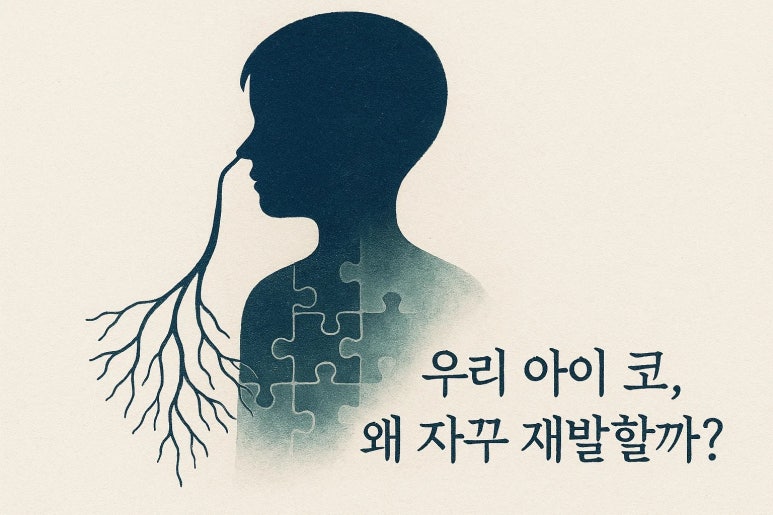
Many people tend to think so. But actually, in Traditional Korean Medicine, chronic rhinitis isn't merely a problem with the nose. Our bodies are interconnected, so a nasal issue might actually originate elsewhere. For instance, imbalances in our body's *Qi* (氣) flow or internal organs (*Jangbu*, 臟腑) could be a root cause of chronic rhinitis.
I once had a patient who always suffered from severe nasal congestion and headaches during winter, finding it unbearable. But after talking with them, I learned they experienced a lot of stress and had irregular eating habits. For this person, it wasn't just about the nasal problem; comprehensive lifestyle adjustments and stress management were needed.
How is Chronic Rhinitis Treated in Traditional Korean Medicine?
In Traditional Korean Medicine, the treatment of chronic rhinitis begins with finding the 'root cause'. That is, instead of merely suppressing symptoms, we strive to find and resolve the fundamental reason why these symptoms recur. We use various methods such as acupuncture, herbal medicine (*Hanyak*), and techniques to regulate the body's *Qi*. Once, after I regulated a patient's *Qi* flow with acupuncture, their nasal symptoms significantly improved. They were amazed, exclaiming, "What a pleasant surprise!" However, acupuncture alone doesn't solve everything. True healing can only be achieved when accompanied by lifestyle changes, proper eating habits, and regular exercise.
So, What Can We Do in Our Daily Lives?
Adopting good lifestyle habits for chronic rhinitis, that's where it all begins. For example, circulating the body's *Qi* through regular exercise, and trying meditation or yoga for stress management. And, wait! We can't leave out diet. It's better to consume foods with a warm nature rather than those that cool the body. One day I suddenly realized that simply ventilating the house frequently and maintaining appropriate humidity significantly helps nasal health. And of course, sufficient sleep! When all these elements come together harmoniously, chronic rhinitis will gradually fade from our lives.
In Conclusion
I've come to understand that chronic rhinitis, this seemingly small symptom, tells a story about our entire body. Traditional Korean Medicine meticulously examines all these aspects, aiming for fundamental healing. Isn't it truly hopeful that small changes in our daily lives can accumulate to create significant transformations? I hope that the struggle with chronic rhinitis can now serve as an opportunity to look beyond mere symptoms and re-evaluate our lives and bodies holistically. If you are also experiencing chronic rhinitis, why not explore a new solution through a Traditional Korean Medicine approach?