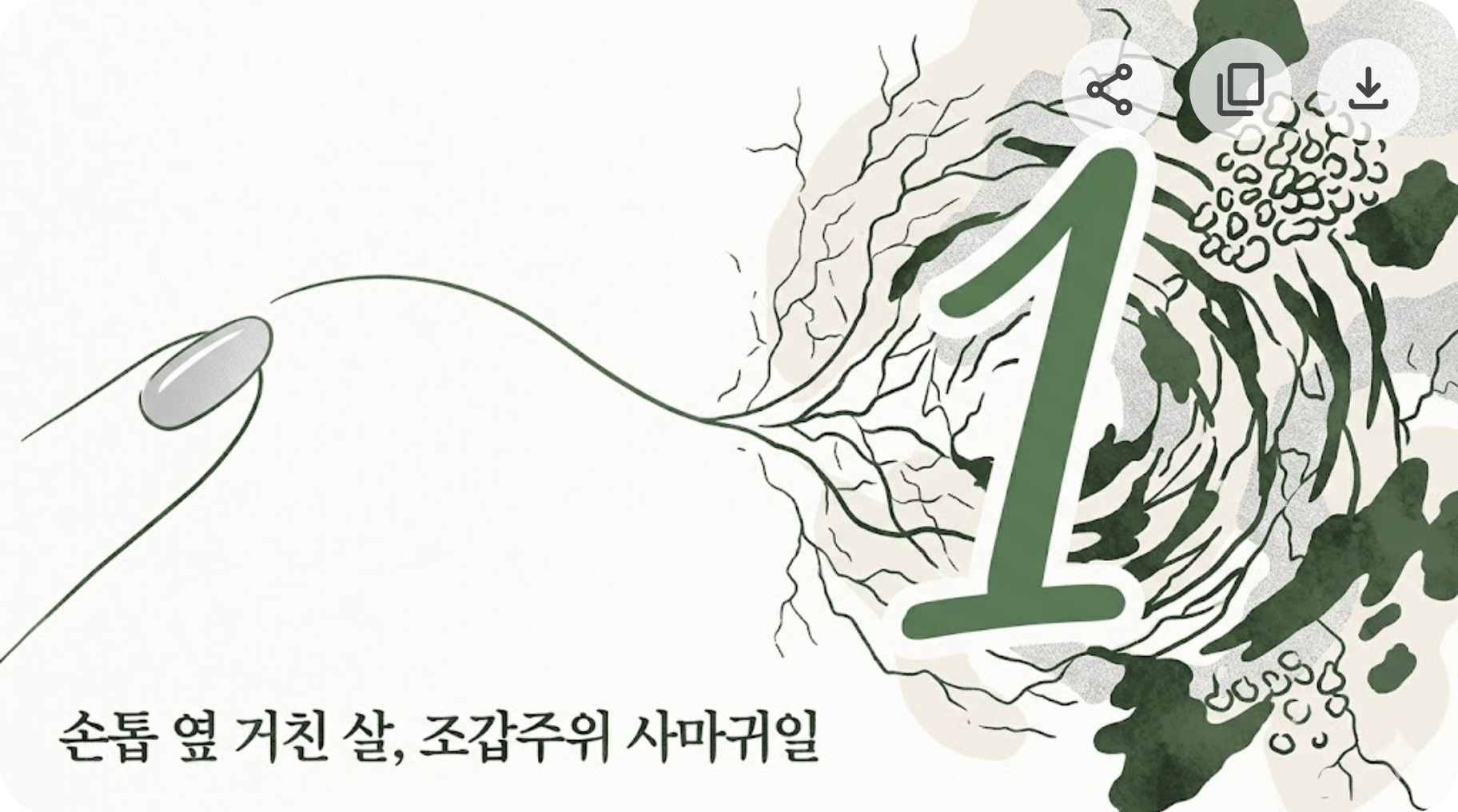
Pompholyx, what exactly is that?

Table of Contents
Ah, pompholyx. Just hearing that name, don't you get that tingling sensation in your hands and feet? It's kind of like walking barefoot on hot sand at the beach in summer. That feeling of discomfort, itchiness, and sometimes pain... Just hearing about it makes my hands start to itch.
"Pompholyx, what on earth is that?"
Pompholyx refers to small, itchy, and sometimes painful blisters that commonly appear on fingers or toes, and occasionally on palms or soles. Just like spring rain makes tiny flower buds burst open, small blisters thrive inside your skin. The name 'pompholyx' itself sounds like reciting a beautiful classical poem, but in reality, it's not quite as romantic as it sounds.
"But why does this happen to me?"
Many people find themselves asking this. "Why does this have to happen to me?" The exact cause of pompholyx hasn't been clearly identified yet, but factors such as stress, reactions to metals, and hypersensitive skin responses to certain chemicals or irritants may be involved. Think about it—how many days in our lives are truly free of stress? In our busy daily lives, stress follows us like a shadow.
"How is it treated?"
Regarding treatment methods, in traditional Korean medicine, such skin issues are approached by viewing them as internal and external imbalances. Our bodies are like intricate instruments, where discord in one part can disrupt the harmony of the whole. For treating pompholyx, we work toward restoring the body's internal balance, managing stress, and minimizing external contributing factors. For example, we can utilize meditation or yoga for stress management, a balanced diet, and herbal medicines to soothe the skin and restore health.
"Does it actually work?"
Traditional Korean medicine treatment is like a marathon. Rather than expecting results in a short period, it requires patience and consistent effort. I remember a patient of mine. When she first came in, her hands were covered in blisters, but after diligently taking herbal medicine and gradually changing her lifestyle habits, a few months later she came back looking much improved. Seeing her smile, I felt the power of traditional Korean medicine once again.
"Is there anything I can do on my own?"
Of course, self-care is very important too. For instance, reduce the use of harsh detergents and chemicals, and avoid washing your hands too frequently or soaking them in hot water. After washing your hands, always apply moisturizer to maintain your skin's moisture. And if possible, find activities that reduce stress. Just enjoying a hobby or doing light exercise can be a tremendous help.
"But I'm still worried..."
I completely understand your worry. But remember, our bodies possess a natural healing ability. Sometimes all that's needed is just a little patience, care, and appropriate management. Pompholyx is the same. Together, we will surely get through this. So, what do you think now? Pompholyx is nothing more than a small signal from our hands and feet. And if we listen to that signal and respond appropriately, we can certainly look forward to a better tomorrow. Shall we walk that path together?