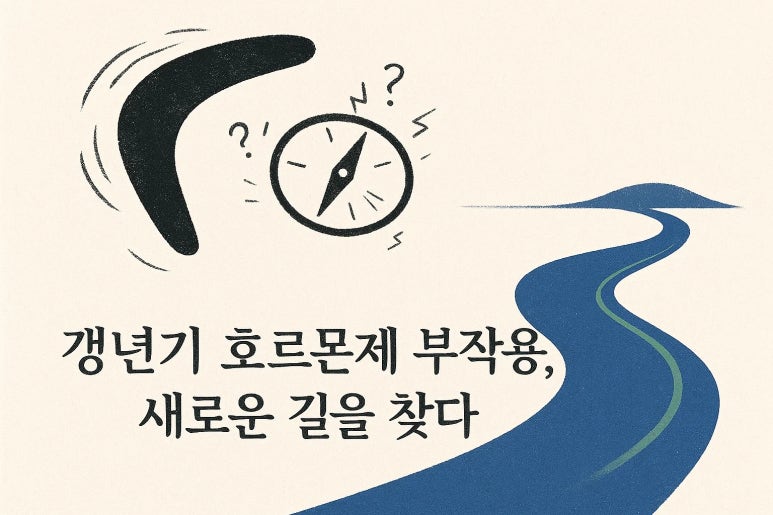
"Hormone Medicine Intolerance Is Even Worse" | Hormone Therapy Side Effects for Menopausal Women

Table of Contents
"Hormone Medicine Intolerance Is Even Worse" | Hormone Therapy Side Effects for Menopausal Women
"Hormone medicine intolerance is even worse" | Hormone therapy side effects for menopausal women
The Two Sides of Hormone Replacement Therapy
Hormone replacement therapy (HRT) can effectively relieve menopause symptoms, but not everyone can tolerate it.
Possible Side Effects:
- Breast tenderness
- Nausea
- Headaches
- Mood swings
- Irregular bleeding
- Weight gain
Why Do Side Effects Occur?
1. Unsuitable Dosage
Everyone has different sensitivity to hormones.
2. Unsuitable Formulation
Oral, patches, gels, and other formulations may cause different reactions.
3. Adaptation Period Reaction
Temporary discomfort when starting use.
4. Individual Differences
Related to personal constitution and health condition.
What to Do When Side Effects Are Significant?
1. Communicate with Your Doctor
Don't stop or adjust dosage on your own.
2. Consider Adjusting the Plan
May need to change formulation or adjust dosage.
3. Evaluate Risk-Benefit
If side effects outweigh benefits, other options may be needed.
Alternatives to Hormone Therapy
1. Phytoestrogens
Soy isoflavones, etc., relatively mild effects.
2. Korean Medicine Therapy
Personalized treatment based on constitution and symptoms.
3. Lifestyle Interventions
Exercise, diet, stress management, etc.
4. Symptomatic Treatment
Non-hormonal medications for specific symptoms.
Advantages of Korean Medicine Therapy
- Holistic approach, not just addressing symptoms
- Personalized prescriptions, suitable for different constitutions
- Relatively fewer side effects
- Can be combined with Western medicine treatment
- Provides alternative for those who cannot use hormones
There are many options for menopause management. Finding the method that suits you is key.