
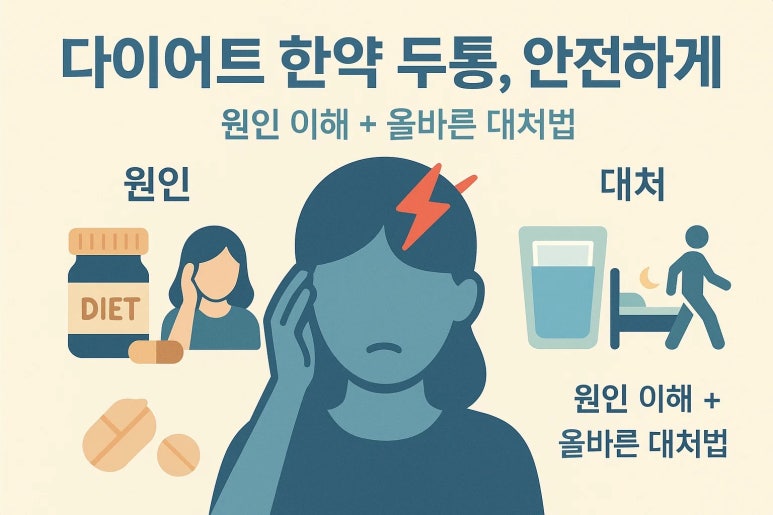
Headaches from Weight Loss Medication: Not Just a Simple Side Effect

Table of Contents
Headaches from Weight Loss Medication: Not Just a Simple Side Effect
Experiencing headaches while on weight loss medication is common but shouldn't be dismissed as a simple side effect. Understanding why it happens can help you decide what to do.
Why Do Diet Pills Cause Headaches?
1. Appetite Suppressant Effects
Medications that suppress appetite often affect neurotransmitter levels, which can trigger headaches.
2. Stimulant Components
Many weight loss medications contain caffeine-like stimulants that can cause:
- Vasoconstriction
- Tension headaches
- Withdrawal headaches when effect wears off
3. Dehydration
Some medications have diuretic effects, leading to dehydration and headaches.
4. Blood Sugar Fluctuations
Reduced food intake can cause blood sugar drops, triggering headaches.
5. Sleep Disruption
Stimulant effects may disturb sleep, contributing to headaches.
Types of Diet Pill Headaches
Tension-type: Constant pressure or tightness
Rebound: Occurring as medication wears off
Dehydration-related: Worse in afternoon, improved with water
When to Be Concerned
Seek medical attention if headaches are:
- Severe or sudden onset
- Accompanied by confusion or vision changes
- Not relieved by rest or hydration
- Worsening progressively
Management Strategies
Hydration: Drink 8+ glasses of water daily
Gradual Dosing: If possible, start with lower doses
Timing: Take medication earlier in day
Caffeine Balance: Reduce other caffeine sources
Monitor Patterns: Keep a headache diary
Alternative Approaches
If headaches persist, consider:
- Different medication options
- Korean medicine weight loss support (fewer stimulant side effects)
- Lifestyle-based weight loss approaches
Weight loss shouldn't come at the cost of constant discomfort. If headaches are significantly impacting your life, discuss alternatives with your healthcare provider.


