
Before Postherpetic Neuralgia Sets In | Shingles in Incheon

Table of Contents
- The Unseen Embers Lingering on the Skin
- The 'Volcano' Dormant in My Body Awakens
- 'The Fire of the Liver' Creates a 'Swamp on the Skin'
- Three Principles to Prevent Post-Herpetic Neuralgia (PHN)
- Principle 1: Absolute Rest
- Principle 2: Blister Care
- Principle 3: Immune Support
- Before 'Skin Wounds' Become 'Nerve Scars'
Hello, this is Baeknokdam Korean Medicine Clinic.
The Unseen Embers Lingering on the Skin
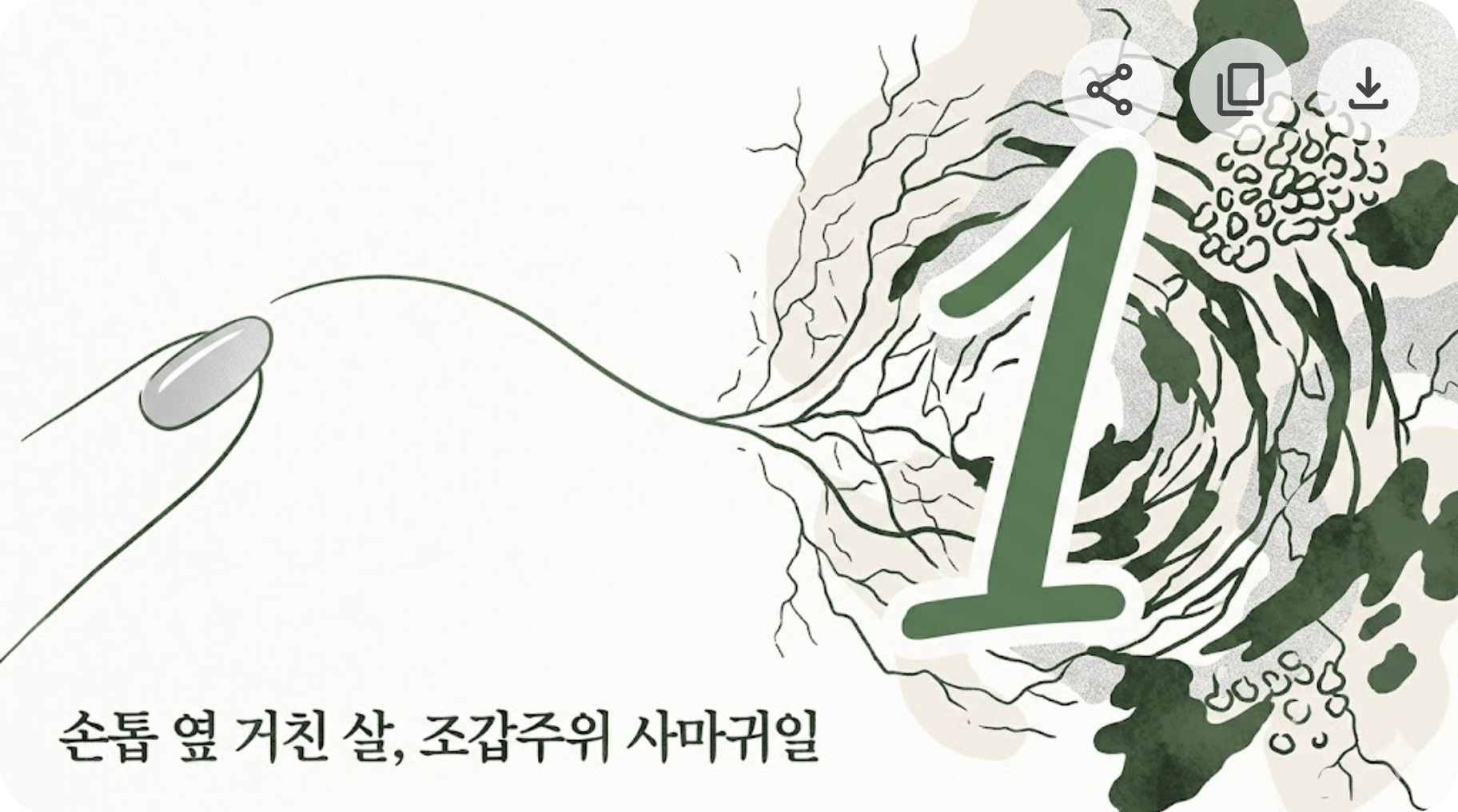
Even though there are no visible abnormalities on the skin, a pain begins from deep within, as if dozens of needles are pricking. A few days later, a red band appears along that path, accompanied by blisters. After a period of terrible pain, and even after the skin has seemingly healed, the excruciating pain, as if the skin is being torn even by a mere touch of clothing, still remains in that very spot.
“My skin looks fine now, but that area still hurts. It feels like an electric current or a burning sensation. Is this a sequela?”
The true terror of herpes zoster (shingles) is not the skin rash itself. It's the anxiety that when you think everything is over, the invisible embers of pain remain, capable of continually tormenting your daily life.
The 'Volcano' Dormant in My Body Awakens
The cause of herpes zoster is the varicella-zoster virus (VZV) that causes chickenpox, which was contracted in childhood. After recovering from chickenpox, this virus does not disappear but lies dormant for decades in the nerve ganglia of our body, much like a 'dormant volcano'.
Normally, our body's robust immune system firmly suppresses this volcano, preventing its eruption. However, when the 'tectonic plate' of immunity weakens due to overwork, extreme stress, or aging, this dormant volcano reawakens.
The hot 'lava' (the virus) flows along a single nerve pathway, creating red rashes and blisters on the skin surface, and in the process, causing severe pain and damage to the nerve itself.
'The Fire of the Liver' Creates a 'Swamp on the Skin'
In Traditional Korean Medicine (TKM), herpes zoster is viewed as an eruption onto the skin of latent 'fire (火)' and 'dampness (濕)' within the body, seizing an opportunity when the body's 'defensive energy (正氣, Jeonggi)' is weakened. In particular, the 'fire accumulated in the liver (肝火, Ganhwa),' which governs stress, is considered the most significant cause.
This hot fire obstructs the body's fluid metabolism, creating sticky dampness, which then manifests on the skin in the form of blisters (水泡, supo). This is precisely why herpes zoster tends to appear particularly after periods of extreme stress.
Three Principles to Prevent Post-Herpetic Neuralgia (PHN)
Management during the acute phase can determine the lifelong extent of pain.
Principle 1: Absolute Rest
Herpes zoster is a strong signal that your body's immunity has plummeted. You must cease all activities and take absolute rest so that all your body's energy can focus on fighting the virus and repairing the nerves.
Principle 2: Blister Care
Popping blisters increases the risk of secondary bacterial infection and can lead to scarring. Protecting the blisters as much as possible to prevent them from bursting and keeping them clean to minimize skin damage is crucial for preventing sequelae.
Principle 3: Immune Support
A balanced diet and adequate hydration are essential to strengthen the body's defenses. Alcohol consumption and overwork, which suppress immunity, must be avoided.
Before 'Skin Wounds' Become 'Nerve Scars'
The golden hour for herpes zoster treatment is within 72 hours of the skin rash appearing. How actively inflammation and the virus are suppressed within this timeframe to minimize 'nerve damage' determines whether the formidable sequela of post-herpetic neuralgia (PHN) will occur.
Missing the window for early treatment means that even if the skin lesions heal, the damaged nerves continue to send 'phantom pain' signals, leading to chronic pain that can persist for months or even years.
However, starting proactive management and treatment within the golden hour is the wisest choice, not only to recover the skin but also to regain a 'comfortable, pain-free daily life' and to preemptively break the chain of persistent, unpleasant sequelae.
#Shingles #HerpesZosterSequelae #PostHerpeticNeuralgia