Trying to Conceive in My 30s - Answering Questions About Infertility Herbal Medicine | Fertility

Table of Contents
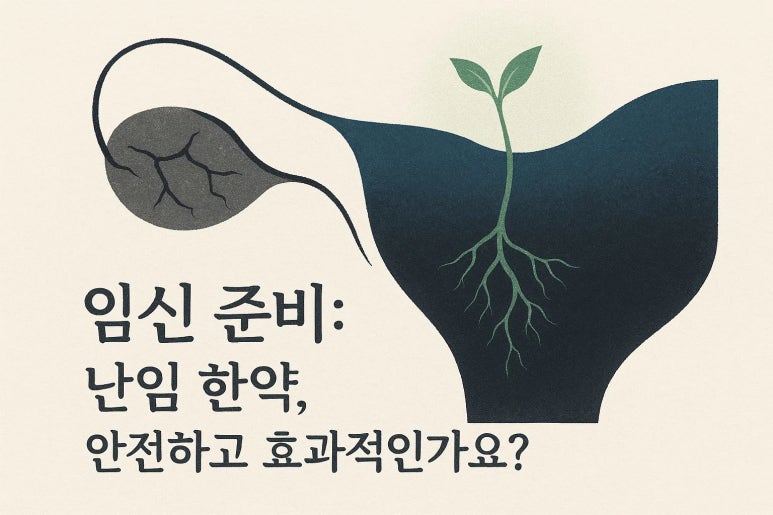
Trying to Conceive in My 30s - Answering Questions About Infertility Herbal Medicine
Answering your questions about infertility herbal medicine while trying to conceive.
When to Consider Herbal Medicine Therapy?
Situations to Consider:
- Trying for 6+ months without pregnancy
- Irregular menstruation, cycle disturbances
- History of miscarriage
- Polycystic ovary syndrome
- Preparing for IVF
How Can Korean Medicine Help with Conception?
1. Regulating Menstrual Cycle
Regular menstruation is the foundation for conception. Therapy helps restore normal cycles.
2. Improving Uterine Environment
Promotes uterine blood circulation, creating conditions favorable for implantation.
3. Improving Egg Quality
Tonifies kidney and nourishes essence, improving ovarian function.
4. Relieving Stress
The stress of trying to conceive can itself affect conception; therapy helps relaxation.
Frequently Asked Questions
Q: Will herbal medicine affect Western medical treatment?
A: With proper use, it can usually be combined, but inform both doctors.
Q: How long do I need to take it?
A: Generally 3 or more menstrual cycles are recommended, varies by individual.
Q: Can I still take it after getting pregnant?
A: After confirming pregnancy, re-evaluation is needed; may need adjustment or discontinuation.
Q: Approximately how much does it cost?
A: Varies by individual situation and treatment course; recommend direct consultation.
Lifestyle Tips While Taking Therapy
- Maintain appropriate weight
- Quit smoking, limit alcohol
- Get adequate sleep
- Exercise moderately
- Reduce stress
- Take folic acid supplements
Trying to conceive is a couple's journey. When necessary, the male partner can also receive therapy simultaneously.