
Diet Shops: Instead of Asking If It's OK, Ask Why Your Body Isn't Changing

Table of Contents
In the clinic, some patients ask, "Is it okay to try a diet shop?" But when we actually talk, that's not really the question. They've already tried and failed, lost weight only to regain it, or seen too many failures around them to commit. The real question isn't whether diet shops are acceptable — it's why their body doesn't respond to these methods.
When the Problem Isn't Weight Loss but Stalled Metabolism
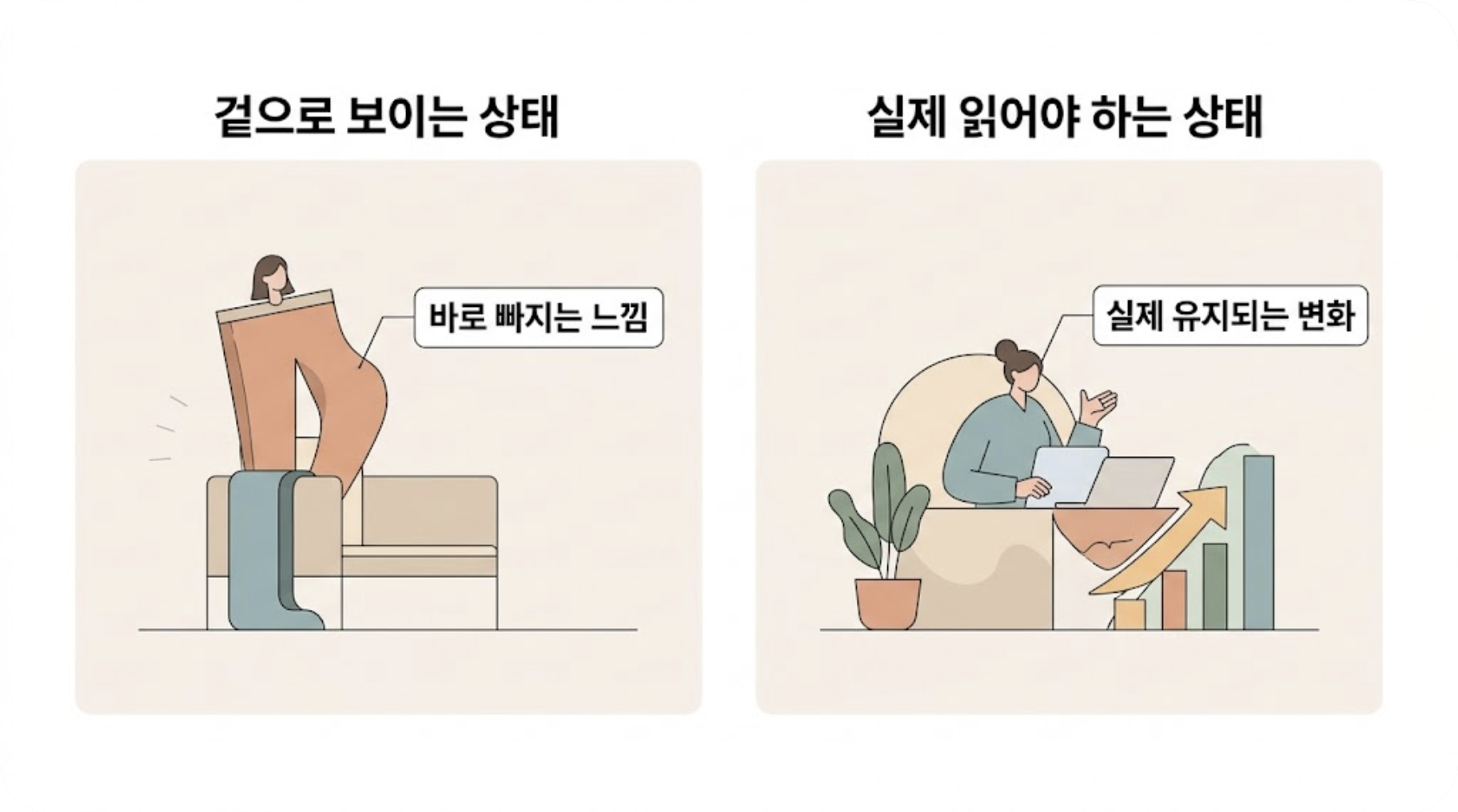
Most diet shop programs are built on caloric restriction and structured meal plans. Yet surprisingly many patients don't lose weight even when cutting calories. This isn't about weak willpower — the body may have already shifted into energy-conservation mode.
Repeated dieting, irregular meals, insufficient sleep, and chronic stress all trigger metabolic adaptation. Mechanically following an external program's meal plan won't produce results under these conditions. Instead, you'll feel more exhausted, shortening the gap until the next binge.
The key criterion is this: if you haven't lost even 1kg in the past 3 months despite maximum effort, or if increased effort only brings more fatigue and impulsive cravings, this isn't about choosing the right program. You need to determine whether metabolic recovery should come first.
When the Program Doesn't Match Your Constitution
Every diet shop recommends different macronutrient ratios — high protein, low carb, intermittent fasting, or specific food-focused plans. Which one works depends on your individual constitution and current state.
For example, someone with a damp constitution and weak digestion may find raw food or salad-heavy programs counterproductive. When gut motility is slow and body temperature is low, cold food-focused regimens may produce some weight loss but worsen bloating and edema, making the plan unsustainable.
Conversely, someone with a heat constitution and overactive digestion may find heavy protein-centered diets burdensome. A program's average success stories may not reflect how your body will respond.
If You Fear Yo-Yo, Assess Recovery Capacity First
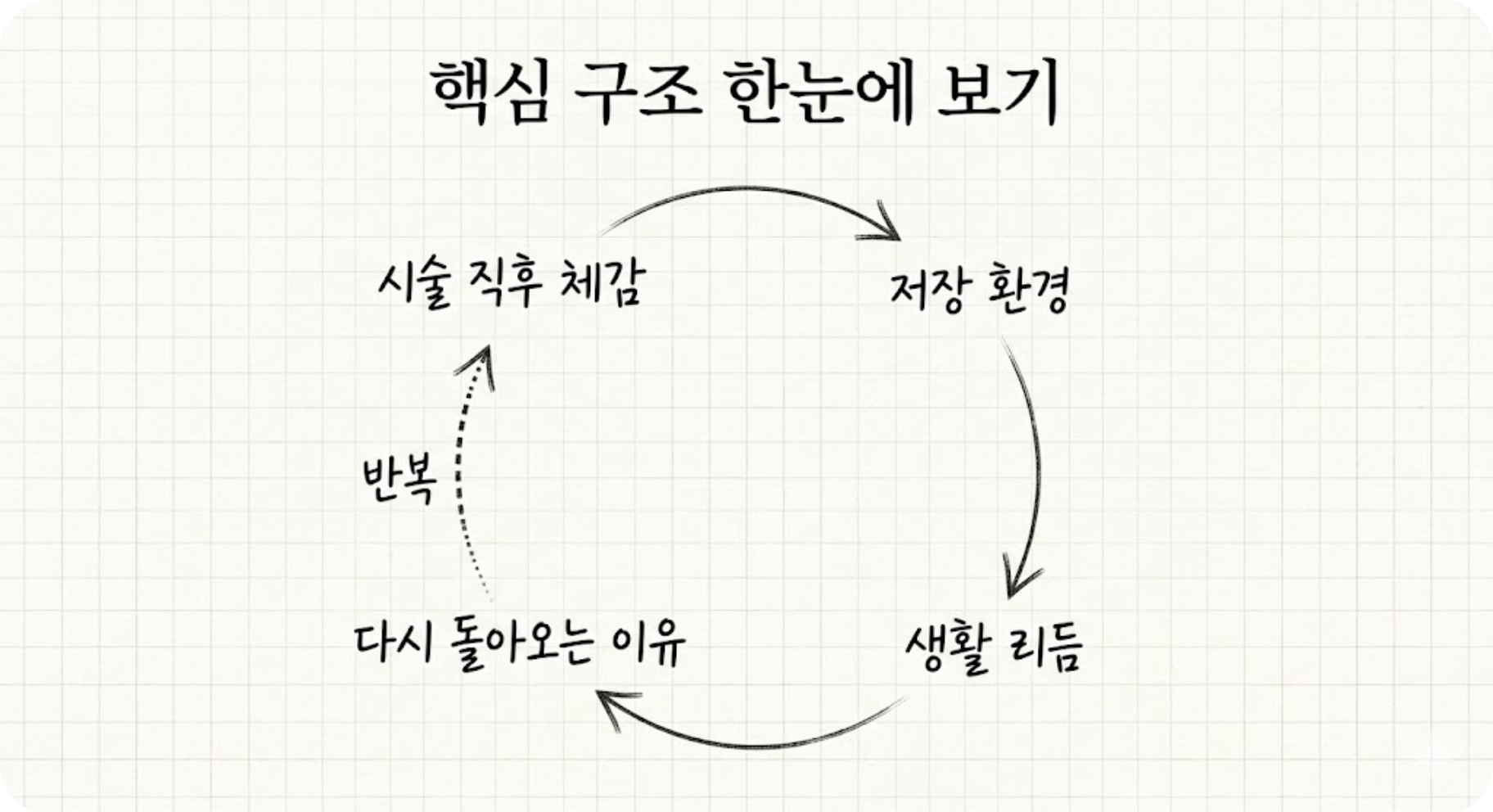
Many people considering diet shops have already experienced yo-yo weight cycling. The issue isn't the yo-yo itself but your body's recovery capacity afterward. This explains why the same program produces different results each time.
The time it takes for basal metabolic rate to return to previous levels after yo-yo, the speed of hormonal rebalancing, and whether appetite regulation signals normalize — all vary significantly between individuals. Moving to the next program without assessing this recovery capacity means each attempt adds cumulative burden to the body.
In clinical practice, we evaluate three variables: First, the range and speed of weight changes over the past 6 months. Second, current sleep quality and daytime energy levels. Third, whether appetite feels controllable or compulsive. When these three factors are reasonably stable, any program can deliver meaningful results.
Three Things to Check Before Choosing a Program
Before starting a diet shop — or if results are underwhelming after starting — it's better to check these first.
First, whether your current eating pattern is regular. Even at the same calorie level, three regular meals versus irregular eating produce different metabolic responses.
Second, whether sleep duration is sufficient and deep sleep proportion is adequate. Sleep deprivation simultaneously distorts the next day's appetite and energy expenditure.
Third, whether there's a pattern of stress converting to appetite. When this pattern is strong, no meal plan will be sustainable.
When these three elements are reasonably established, an external program's structure can finally serve its purpose.
When to Consider Baekrok Gambi-jeong
If you want fundamental metabolic improvement through constitution-matched prescriptions, you can consult about the Baekrok Gambi-jeong program. The goal is healthy constitution improvement without starvation, discomfort, or yo-yo.
Frequently Asked Questions
Q: If I don't lose weight at a diet shop, is it just my fault?
No. Even the same program produces very different results depending on an individual's metabolic state, constitution, and recovery capacity. The priority isn't questioning your effort but checking whether your body's current state and the program's design are compatible.
Q: I've experienced yo-yo multiple times and I'm afraid of failing again.
If you have yo-yo experience, this time it's better to assess recovery capacity rather than weight loss speed. Understanding how much your body has recovered from previous attempts and your current metabolic state allows more accurate prediction of success.
Q: Can I combine a diet shop with herbal medicine?
Yes, but rather than simply doing both simultaneously, it's important to clarify each one's role. Herbal medicine focuses on constitution improvement and metabolic recovery, while the program provides structural meal management. Consider how they complement each other.


