
Blog January 19, 2025
Precautions When Treating Indigestion

Dr. Yeonseung Choe
Chief Director
Table of Contents
Hello, this is Yeonseung Choi, lead physician of Baengnokdam Korean Medicine Clinic.
Today, I will summarize frequently asked questions from patients with indigestion. If you have any other questions, please leave a comment.
#SongdoDyspepsia
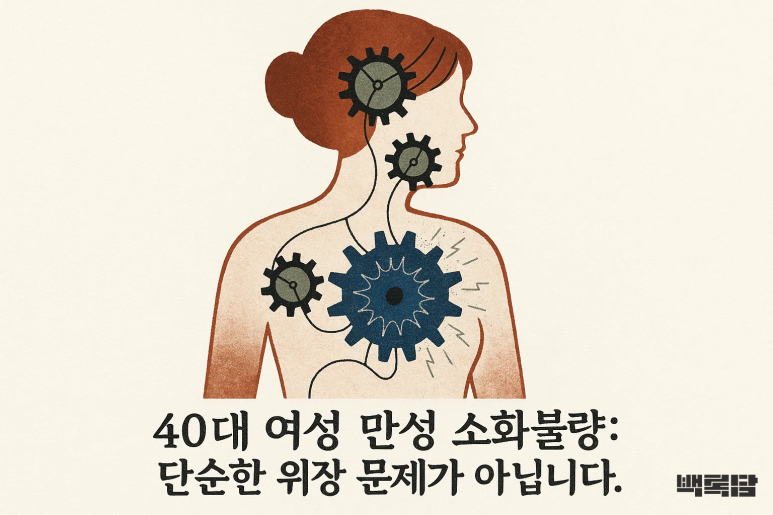
Nervous dyspepsia, also known as functional dyspepsia, is a condition characterized by upper abdominal discomfort or pain, often accompanied by symptoms such as abdominal bloating, early satiety, and nausea. It is generally associated with psychological factors, stress, or anxiety and is considered a functional gastrointestinal disorder.
1. Understanding Nervous Dyspepsia:
"What is nervous dyspepsia, and in what situations does it occur?"
"Nervous dyspepsia, also known as functional dyspepsia, is a condition characterized by upper abdominal discomfort, abdominal bloating, early satiety, and nausea. It is often associated with psychological factors, stress, or anxiety."
2. Symptoms of Nervous Dyspepsia:
"What are the common symptoms associated with nervous dyspepsia, and how can they affect daily life?"
"Symptoms of nervous dyspepsia include upper abdominal pain or discomfort, abdominal bloating, early satiety, and nausea. These symptoms can impact eating habits and daily activities."
3. Diagnosing Nervous Dyspepsia:
"How is nervous dyspepsia diagnosed, and what steps are involved in the diagnostic process?"
"Diagnosis of nervous dyspepsia typically involves a review of medical history and a physical examination by a healthcare professional. Additional tests may be conducted to rule out other gastrointestinal conditions."
4. Treatment and Management:
"What treatment options are available for nervous dyspepsia, and how can it be effectively managed?"
"Management may include stress reduction techniques, dietary modifications, and psychotherapy. Medications may also be prescribed depending on specific symptoms. It is important to consult with your healthcare provider to establish a personalized treatment plan."
5. Stress Management and Nervous Dyspepsia:
"How does stress management help in managing nervous dyspepsia?"
"Since stress and anxiety often contribute to the onset and exacerbation of nervous dyspepsia, stress management techniques, psychological support, and counseling can play a significant role in its management. Addressing psychological factors is crucial."
Nervous dyspepsia is a condition associated with psychological factors, which can manifest as upper abdominal discomfort and related symptoms. Effective management may require lifestyle changes, psychological support, and, in some cases, medication. It is important to work closely with healthcare professionals to develop a personalized treatment plan.
That concludes today's post. If you wish to receive treatment, please refer to the information below.