
Psoriasis on the Back of My Hand: My Story

Table of Contents
- 1. My hands are constantly cracking and developing scales
- 2. Psoriasis on the back of the hands is difficult to diagnose
- 3. However, psoriasis can manifest in these ways
- 4. The hands are a 'structure prone to disease development'
- 5. Is it just a skin symptom, or the beginning of something more?
- 6. The back of the hand is not just a visible area
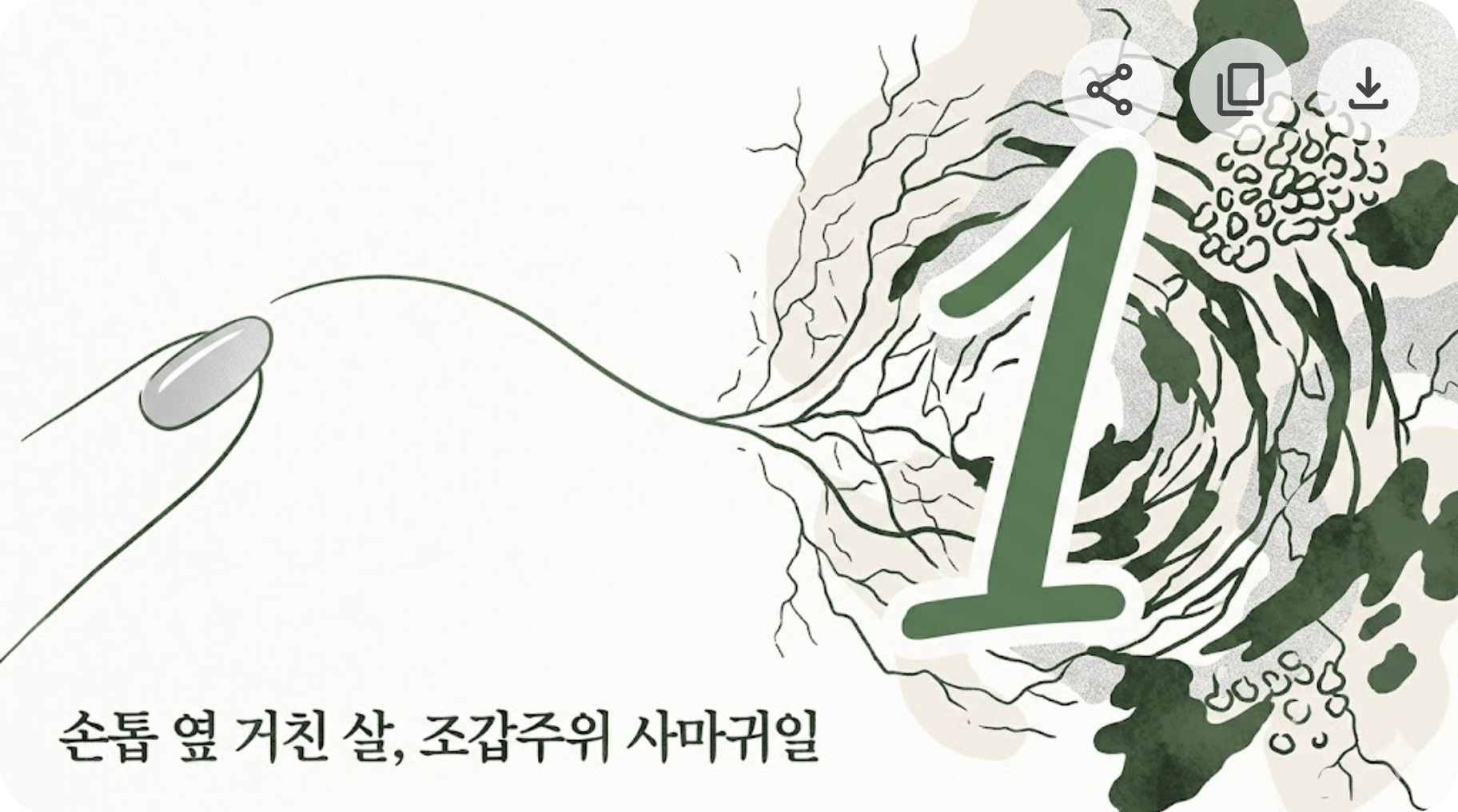
1. My hands are constantly cracking and developing scales
At first, I just thought my hands were dry. Frequent handwashing and water exposure can make the backs of the hands rough, flaky, sometimes finely cracked, and red. I've tried moisturizers, ointments, and even antifungal creams when it was severe, but it keeps recurring. You might have wondered why only the backs of your hands are like this. Have you ever considered that this might be psoriasis?
2. Psoriasis on the back of the hands is difficult to diagnose
Typically, when people think of psoriasis, they imagine red, thick lesions on the elbows, knees, and scalp. However, psoriasis on the backs of the hands is not so obvious. It often starts as simple dryness or slight redness. The borders are often indistinct, and it can be accompanied by weeping or itching, similar to eczema. Furthermore, hands are constantly exposed to soap, detergents, gloves, moisture, and UV rays, making it very difficult to differentiate from other skin conditions. As a result, it is often misdiagnosed as contact dermatitis, hand eczema, or fungal infection, and improper treatment can even worsen the lesions.
3. However, psoriasis can manifest in these ways
Even though hand psoriasis may not present clear clues initially, the following characteristics may start to appear one by one:
- White, thin scales form in layers over red patches.
- A symmetrical distribution is observed.
- It temporarily responds to treatment but quickly flares up again.
- Small pit-like indentations may appear on the nails.
- A feeling of stiffness or discomfort in the finger joints may also occur.
This suggests that it might not be simple dermatitis, but rather a sign of an immune-mediated disease called psoriasis.
4. The hands are a 'structure prone to disease development'
The back of the hand is the most used, most frequently touched, washed, and rubbed part of our body. Such repetitive irritation can trigger the Koebner phenomenon, a common occurrence in psoriasis where new lesions develop at sites of external injury or trauma. Literally, the backs of the hands are exposed daily to 'conditions that repeatedly induce lesions.' Moreover, since this area is highly visible to others, the development of skin lesions can lead to significant social burdens such as psychological distance, withdrawal, and avoidance of social interaction.
5. Is it just a skin symptom, or the beginning of something more?
One more important point is that even if psoriasis lesions are only present on the backs of the hands, they might not be isolated symptoms. If changes in the nails are accompanied by painful or stiff finger joints, it could be an early sign of psoriatic arthritis. Psoriatic arthritis can lead to joint damage if not diagnosed early, so if hand lesions recur, it's crucial to examine not only the skin but also the joints.
6. The back of the hand is not just a visible area
The back of the hand is not simply a 'dry skin area'. It is a frequently used area, a structure most often exposed and irritated, and a part that can react first when skin immunity is compromised. Therefore, hand lesions, though appearing like simple eczema, could actually be the starting point of a systemic inflammatory response. If the skin on the back of your hands repeatedly thickens, develops scales, and doesn't respond to treatment, you should consider, "Could this possibly be psoriasis?" at least once.
#HandPsoriasis #IncheonHandPsoriasis