
How to Ease Post-Meal Lower Abdominal Tightness | Dull, Heavy Lower Abdominal Pain

Table of Contents
Lower Abdominal Pain
“About two hours after lunch, I feel a pulling sensation below my navel. Pressing on it doesn't bring relief, and even after passing gas, it quickly fills up again.”
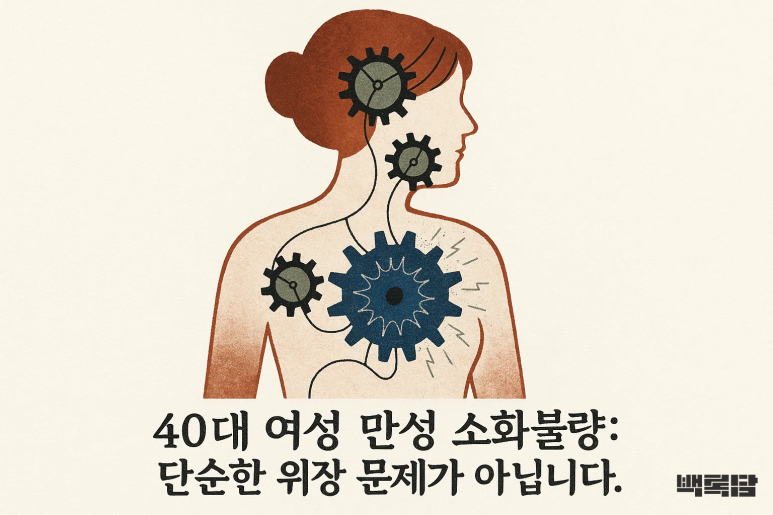
For two years, she asked herself the same question every day. Why that small space below her navel, directly above the bladder, unfailingly felt tight and pulled about two hours after eating. She felt fine in the morning, but about two hours after breakfast, her abdomen would gradually feel bloated, and after lunch, when she returned to work, her stomach would distend like a gas-filled balloon. Passing gas would bring temporary relief, but this discomfort, without any clear pattern, consumed her every afternoon.
Medical Diagnosis
Doctors said both her endoscopy and colonoscopy results were normal. A gastric emptying study showed a slightly slower gastric emptying rate than that of a healthy person. Under the diagnosis of functional dyspepsia, this is explained as bloating and pain caused by food taking longer to leave the stomach. However, in traditional Korean medicine (TKM), this is seen as an issue of dampness-phlegm, liver qi stagnation, and spleen and stomach cold deficiency.
Symptom Summary
- Duration of Symptoms: 2 years, almost daily
- Time Pattern: Good in the morning → Discomfort starts 2 hours after meals → Worst after lunch
- Eating Habits: 2 meals a day, excessive intake after long fasting periods
- Treatments Attempted: Traditional Korean medicine (5–6 months), over-the-counter antacids/prokinetics, limited effectiveness
- Other: Slight relief after passing gas, excessive vitamin intake, lack of exercise
Method for Pattern Redesign
- Eating Rhythm: Divide into 3–4 meals a day, eat to 70–80% fullness per meal, chew each spoonful 15+ times, eat slowly for 20+ minutes.
- Breathing Rhythm: 5–7 minutes of abdominal breathing after meals — 4-second inhale, 6-second exhale × 10 repetitions.
- Supplement Rhythm: Avoid high doses on an empty stomach, take small divided doses during meals (including Vitamin C and Magnesium).
- Gut Balance: Appropriate amount of probiotics, taken with meals.
Important Considerations
— If symptoms such as nocturnal pain, weight loss, fever, bloody stools, or black stools appear, you should seek medical attention immediately. These could be warning signs beyond simple functional dyspepsia.
Conclusion
Her story poses a question to all of us. How do we listen to the repetitive signals our bodies send? How much impact do small lifestyle habits that we overlook have? Rather than simply relying on medication or diagnoses, when we carefully examine and adjust our own rhythms, our bodies find a new path.
Clinic Information
- Clinic Hours: Mon-Fri 10:00 AM - 7:00 PM
Lunch Break: 1:00 PM - 2:00 PM
※ We do not offer individual consultations via this blog.
For appointments and inquiries, please check our Naver Place or official website.
Baengnokdam Korean Medicine Clinic, 3rd Floor, Songdo Dream City, 81 Convensia-daero, Yeonsu-gu, Incheon