Home Blog Digestive
"Always Bloated and Uncomfortable" | Chronic Indigestion in a 40-Something Woman
Blog November 18, 2025

"Always Bloated and Uncomfortable" | Chronic Indigestion in a 40-Something Woman

Dr. Yeonseung Choe
Dr. Yeonseung Choe
Chief Director

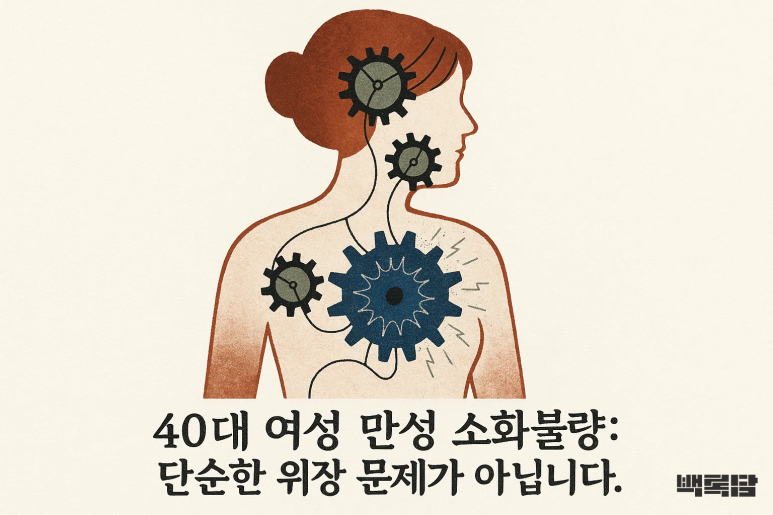
Chronic Indigestion in a 40-Something Woman

That constant feeling of bloating is exhausting. For women in their 40s, chronic indigestion often has deeper roots.

Why Is Indigestion Common in Your 40s?

1. Hormonal Changes
Approaching menopause, hormonal fluctuations can affect digestive function, including gastric motility and enzyme secretion.

2. Accumulated Stress
Years of work, family, and life pressures can disrupt the gut-brain connection.

3. Declining Digestive Capacity
Natural aging leads to decreased stomach acid and digestive enzyme production.

4. Gut Microbiome Changes
The balance of gut bacteria may shift, affecting digestion efficiency.

Common Symptoms

  • Feeling full after small meals
  • Upper abdominal bloating and discomfort
  • Frequent belching
  • Nausea after eating
  • Alternating constipation and loose stools

Treatment Approach

Korean Medicine Treatment:

  • Personalized herbal formulas to strengthen digestive function
  • Acupuncture targeting stomach and spleen meridians
  • Dietary guidance based on constitution

Lifestyle Modifications:

  • Eating smaller, more frequent meals
  • Avoiding foods that trigger symptoms
  • Managing stress through relaxation techniques
  • Regular light exercise

When to Seek Help

If symptoms persist for more than 2-3 weeks despite self-care measures, or if you experience:

  • Unintentional weight loss
  • Severe pain
  • Difficulty swallowing
  • Blood in stool

Your digestive health reflects your overall health. Don't ignore persistent symptoms – they're your body's way of asking for help.


Need Consultation?

Get personalized treatment.

Dr. Yeonseung Choe

Dr. Yeonseung Choe Chief Director

I have met many patients who came after visiting multiple medical institutions and departments for persistent or recurrent conditions. Symptoms normally handled by different specialties—such as abdominal pain, headaches, palpitations, dizziness, and insomnia—may overlap in one person. Sometimes there is no clear improvement despite taking medication for each symptom, and being unwell gradually becomes part of daily life. In these cases, I look beyond individual diagnoses and examine how the symptoms connect and change together. Asking only about the most uncomfortable symptom today does not reveal the full course. I look at when the body first began to change and what happened after illness, surgery, childbirth, or starting and stopping medication. I also review changes in weight, diet, and sleep, then trace which symptoms improved with previous treatment and which remained. Test results, diagnoses, and the course of previous treatment are important for understanding the current condition. Clinical research in modern Korean medicine, physiological and pathological research in modern medicine, and observations recorded in classical Korean medicine texts offer different perspectives on the same body. Rather than fitting a patient into one perspective, I consider what each can and cannot explain and look for clues that connect symptoms and treatment histories that were previously considered separately.

More Info →

Related Posts