Home Blog Mental Health
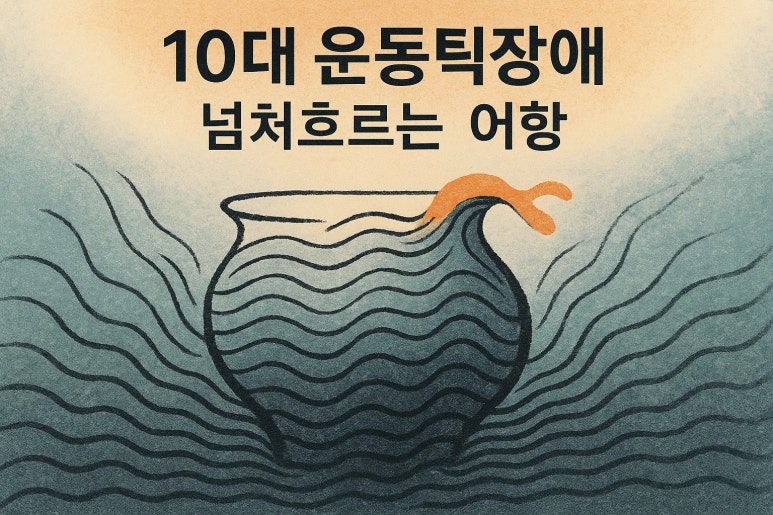
"I Can't Stop Moving Involuntarily" | Returning Movement Tics in Adolescents
Blog October 30, 2025

"I Can't Stop Moving Involuntarily" | Returning Movement Tics in Adolescents

Dr. Yeonseung Choe
Dr. Yeonseung Choe
Chief Director

"I Can't Stop Moving Involuntarily" - Returning Tic Disorder in Adolescents

When involuntary movements or sounds return during adolescence, it can be distressing for both the teen and parents. Understanding why this happens can help.

Why Do Tics Return or Worsen in Adolescence?

1. Hormonal Changes
Puberty brings hormonal fluctuations that can affect nervous system function.

2. Academic and Social Pressure
Increased stress from school, exams, and peer relationships.

3. Sleep Pattern Changes
Teens often get inadequate sleep, which can worsen tics.

4. Screen Time
Extended device use may increase nervous system stimulation.

Types of Tics

Motor Tics:

  • Eye blinking, facial grimacing
  • Shoulder shrugging
  • Head jerking

Vocal Tics:

  • Throat clearing
  • Sniffing
  • Repetitive sounds

Korean Medicine Approach

1. Calming the Spirit
Herbal formulas that soothe the nervous system.

2. Nourishing Yin, Subduing Yang
Balancing internal energies that may be disturbed.

3. Acupuncture
Targeting points that calm the mind and regulate movement.

4. Lifestyle Guidance
Sleep hygiene, stress management, screen time limits.

Supporting Your Teen

  • Avoid drawing attention to tics
  • Help manage stress
  • Ensure adequate sleep
  • Maintain open communication
  • Celebrate their strengths

Tics in adolescence can often improve with appropriate treatment and time. The right support makes all the difference.
Need Consultation?

Get personalized treatment.

Dr. Yeonseung Choe

Dr. Yeonseung Choe Chief Director

I have met many patients who came after visiting multiple medical institutions and departments for persistent or recurrent conditions. Symptoms normally handled by different specialties—such as abdominal pain, headaches, palpitations, dizziness, and insomnia—may overlap in one person. Sometimes there is no clear improvement despite taking medication for each symptom, and being unwell gradually becomes part of daily life. In these cases, I look beyond individual diagnoses and examine how the symptoms connect and change together. Asking only about the most uncomfortable symptom today does not reveal the full course. I look at when the body first began to change and what happened after illness, surgery, childbirth, or starting and stopping medication. I also review changes in weight, diet, and sleep, then trace which symptoms improved with previous treatment and which remained. Test results, diagnoses, and the course of previous treatment are important for understanding the current condition. Clinical research in modern Korean medicine, physiological and pathological research in modern medicine, and observations recorded in classical Korean medicine texts offer different perspectives on the same body. Rather than fitting a patient into one perspective, I consider what each can and cannot explain and look for clues that connect symptoms and treatment histories that were previously considered separately.

More Info →

Related Posts