Reasons Seborrheic Dermatitis Persists | Incheon Seborrheic Dermatitis

Table of Contents
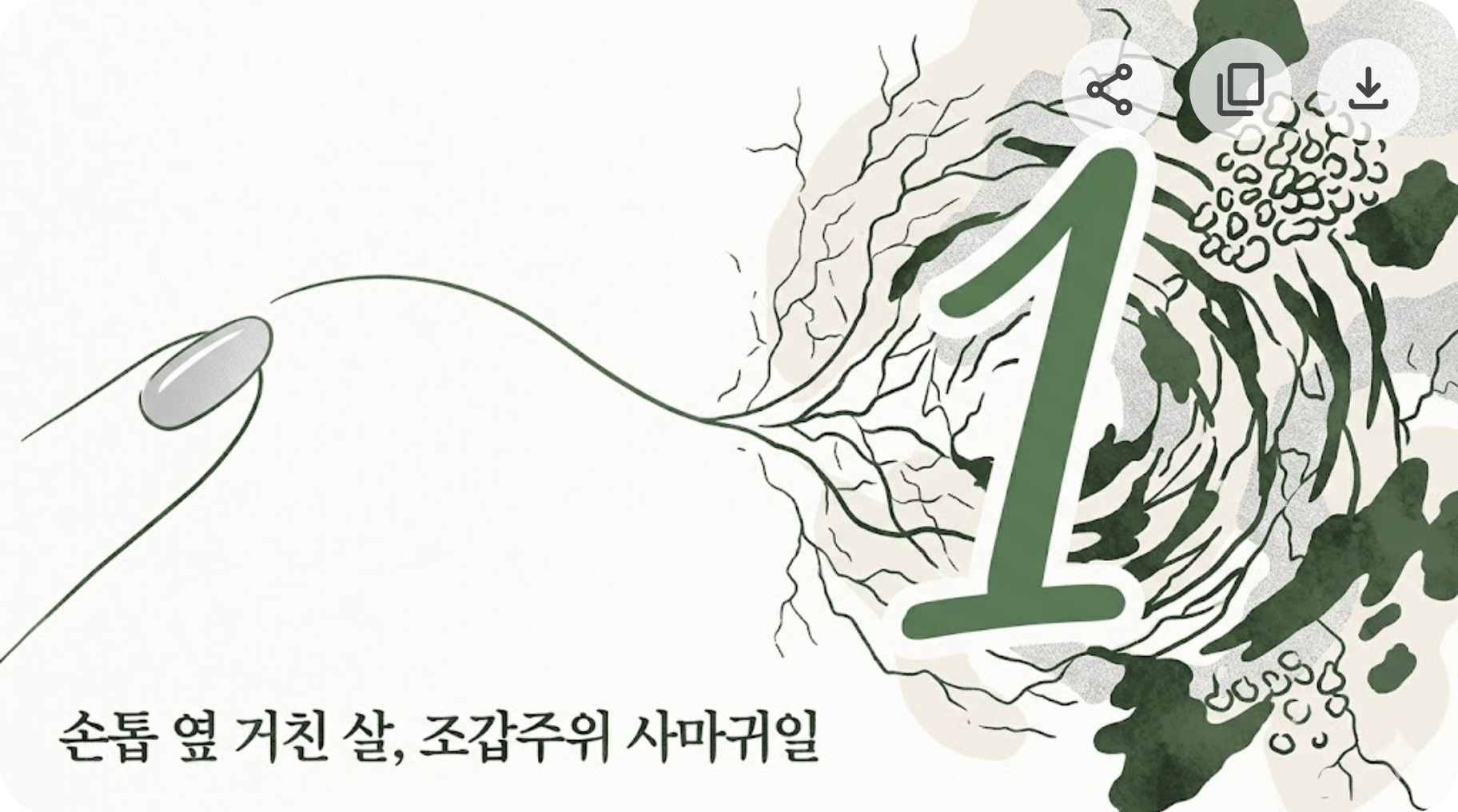
1. Why does it last so long even if it is not severe?
“It repeats, turning slightly red and then disappearing. It has never completely gone away. It feels as if a fine itch is pricking like a needle tip under my chin, and an invisible residual heat seems to creep around in the mirror.”
Many skin diseases are more uncomfortable as inflammation worsens and improve quickly once it subsides. However, seborrheic dermatitis persists and repeats subtly for months or years, even if the inflammation is not severe. Redness may appear and disappear within a day or two, and dead skin cells may lift slightly and then settle quickly, but moments of experiencing ‘completely clear skin’ are rare. This ambiguity actually leads people to delay treatment, and in the meantime, the skin condition gradually hardens into a chronic mode.
2. Traces of hidden low-grade inflammation
Looking at test values, hs-CRP is around 0.8 mg/L, which is within the normal range. However, this ‘normal’ does not mean it is completely healthy, but may mean that fine inflammatory signals are laid out like background noise. While the visible inflammatory response is weak, a state is maintained where sebum secretion on the skin surface, the proliferation rate of Malassezia fungi, and the reactivity of immune cells are subtly misaligned. Usually, a slightly acidic shampoo and hydrocortisone ointment are used alternately, but it turns red again after a weekend with frequent outings or a week with high work stress. The moment the chin and the sides of the nostrils are red in the morning mirror after staying up until 2 AM staring at a screen the night before a project deadline, the embers are revived.
3. The trap of treatment that only looks at the surface
Many people think, “Since the inflammation is not severe, it will get better eventually if I just leave it alone.” However, if the same state repeats for 1~2 years or more, it cannot be explained simply by surface skin inflammation. Steroid ointments are effective only during the acute phase, and long-term use thins the skin barrier, making it more exposed to irritation and recurrence. Once the sebum, microbial, and immune systems have collapsed, they can remain in an unstable equilibrium even without external stimuli. At this stage, it is difficult to break the cycle of chronicity with treatment that only looks at the surface.
4. Embers remaining like a campfire
This state is like a campfire that is not blazing but continues to smolder without going out. The flames are small, but they continuously emit heat, warming and drying the surroundings. In traditional Korean medicine, this is explained as Gan-ul-bi-heo (liver qi stagnation and spleen deficiency) or Dam-seup (phlegm-dampness). When stress and tension are not released, the energy of the liver becomes stagnant, and if the digestive function weakens and dampness accumulates, the oil-water balance of the skin collapses. Dam-seup caused by Gan-ul-bi-heo disrupts the immune balance of the intestines and skin, leaving low-grade inflammation on the skin surface like residual embers. In modern medicine, this inflammation slows the recovery rate of the skin barrier and disrupts sebum regulation and the microbial ecosystem.
5. Creating an environment to extinguish the embers
This ember-like inflammatory state is not unique to seborrheic dermatitis. The same pattern appears in chronic rhinitis, mild indigestion, and slight scalp itching. Since the inflammation is not severe, the intensity of treatment is weak, and because the treatment is weak, the recovery of balance is slow. Ultimately, the important thing is not “extinguishing the fire,” but creating an “environment where the embers do not ignite again.” Try increasing your sleep time by 30 minutes, using a shampoo that does not stimulate sebum secretion 2 times a week, and reducing caffeine intake by half once a week. When lifestyle adjustments, improvement of the overall body condition, and skin barrier recovery are considered together, you can finally overcome this quiet but persistent seborrheic dermatitis.
Information regarding medical appointments
- Clinic Hours -
Mon-Fri 10:00 AM - 7:00 PM
Lunch break 1:00 PM - 2:00 PM
※ Individual consultations via the blog are not provided. For inquiries regarding reservations and appointments, please check Naver Place or the official website.
Baekrokdam Korean Medicine Clinic
3rd Floor, Songdo Dream City, 81 Convensia-daero, Yeonsu-gu, Incheon
#IncheonSeborrheicDermatitis