
Always Bruising? Understanding Purpura

Table of Contents
- 1. Purpura, It's Not Just a Bruise Under the Skin
- 2. Typical Purpura – When It Arises from Blood and Immune System Issues
- 3. The Problem: When It's Not That Kind of Purpura
- 4. Purpura from a Traditional Korean Medicine Perspective – The Movement of Blood That Cannot Be Contained
- 5. The Tricky Purpura I've Encountered – When the Body Is Subtly Unbalanced
- 6. Purpura Might Be a 'Small Crack,' Not Just a 'Small Hemorrhage'
Sometimes, red spots that look like bruises appear on my legs. They emerge without any apparent cause, even when I haven't bumped into anything. They're painless and don't hurt when pressed, but they usually fade and disappear after a day or two. Then, after a period of being fine, they reappear one day. Even after tests, no abnormalities are found, and since they're not severely painful, I usually overlook them. However, it's strangely bothersome because they keep recurring. These symptoms could indicate purpura. Today, we'll try to understand the signals our body might be sending us through purpura.
1. Purpura, It's Not Just a Bruise Under the Skin
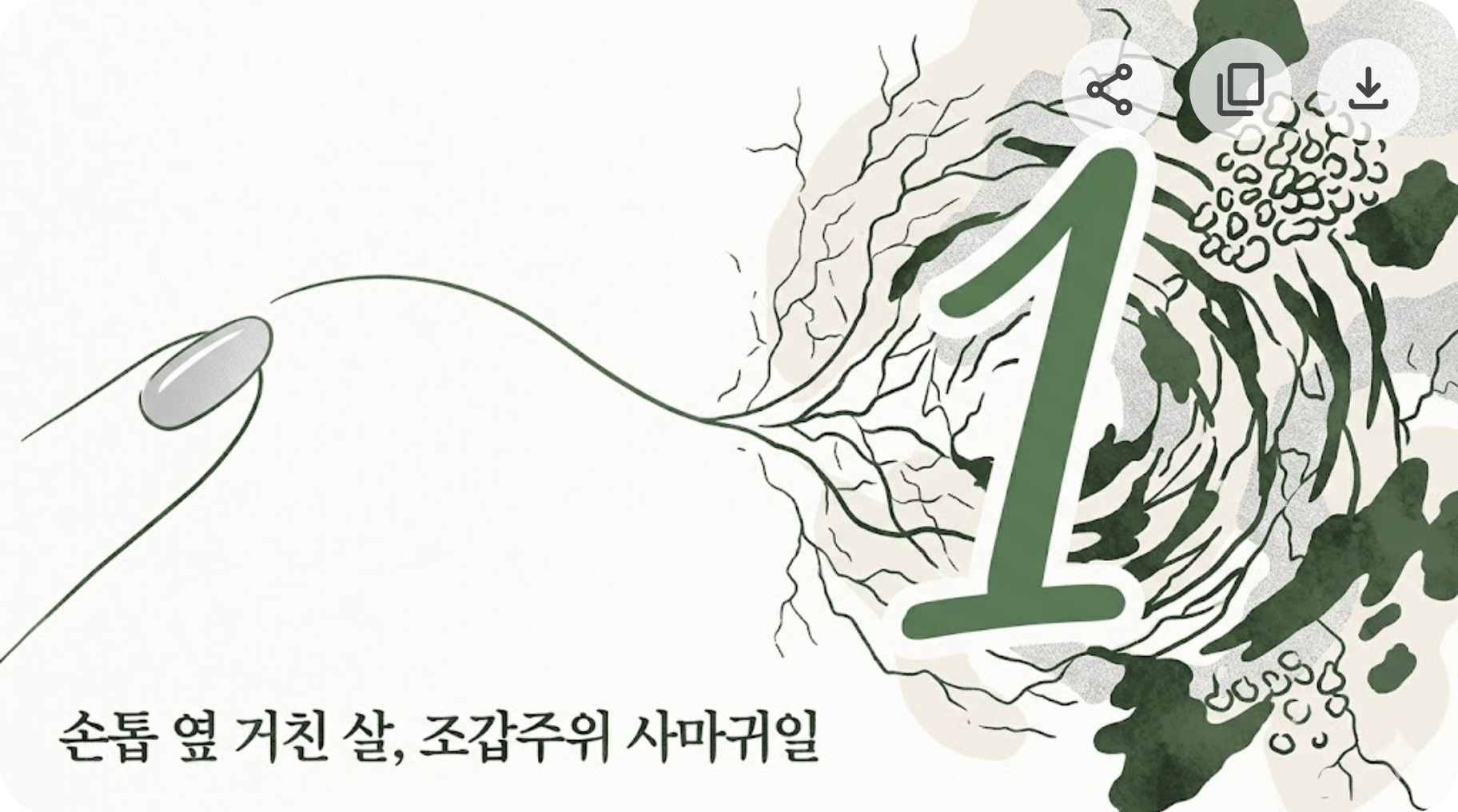
Purpura refers to red to purple spots or patches that form when tiny blood vessels burst within the skin. Unlike typical bruises, they don't disappear when pressed, and often there's no pain or warmth. This purpura is less of a disease and more of a visible manifestation on the skin of internal bodily changes. In other words, purpura is the body's language. Learning to read that language is the first step to understanding this symptom.
2. Typical Purpura – When It Arises from Blood and Immune System Issues
Purpura can manifest due to various causes; the most typical cases involve a deficiency in platelets or impaired blood coagulation. In such instances, purpura can spread irregularly throughout the body, often accompanied by other bleeding symptoms like gum bleeding, nosebleeds, and menorrhagia (excessive menstrual bleeding). Another common typical form is allergic purpura, also known as inflammatory vasculitis. It's common among children but also occurs in adults. It typically develops after a cold, medication use, or in association with certain foods. In these cases, purpura may start from the lower calves and extend up to the thighs or arms, and can be accompanied by systemic symptoms such as tenderness, itching, joint pain, and abdominal pain. Tests may reveal elevated inflammatory markers or abnormal findings in urine.
3. The Problem: When It's Not That Kind of Purpura
However, there are cases where purpura recurs on the skin, but tests show no abnormalities, and neither inflammation nor a tendency to bleed is observed. This type of purpura is the most difficult to explain and often easily overlooked. The purpura appears and disappears, is relatively light in color, and has no pain or warmth. It typically appears on the outer calves or thighs; one might not notice it while resting, but it can emerge when fatigued, feeling a cold coming on, in cold weather, or around the menstrual period. This type of purpura is not merely a problem with the skin or blood vessels; rather, it appears when the body's regulatory capacity, especially the balance control of blood flow and temperature distribution, is subtly disrupted.
4. Purpura from a Traditional Korean Medicine Perspective – The Movement of Blood That Cannot Be Contained
From a Traditional Korean Medicine perspective, purpura is not simply viewed as blood having exited the vessels. Instead, it examines why the blood came out and what caused the inability to control it. Broadly, it can be seen through four patterns:
- First, Excess Heat Purpura: This occurs when heat pushes the blood out of the blood vessels. The color is dark, there is warmth or pain, and it usually comes with an inflammatory reaction.
- Second, Qi Deficiency Purpura: This is due to weak spleen and stomach function or insufficient vital energy (Qi) unable to contain the blood. The color is light, there is no pain, and it recurs frequently. It is especially prominent when physical strength is low or when fatigued.
- Third, Cold Stagnation Purpura: This arises when cold energy constricts blood vessels and obstructs blood flow. It commonly appears in the lower limbs and is often seen in individuals with a constitution sensitive to cold.
- Fourth, Liver Qi Stagnation Purpura: This pattern results from stress blocking the flow of Qi, affecting peripheral circulation, and causing blood to pool in certain areas. In such cases, purpura is often accompanied by emotional symptoms like headaches, chest tightness, and irregular menstruation.
5. The Tricky Purpura I've Encountered – When the Body Is Subtly Unbalanced
I recall a memorable purpura patient in my clinic. Red spots appeared intermittently on their legs, with no pain or signs of inflammation. The color was light, appearing mainly from the calves to the thighs, and while it worsened slightly in winter, there was no definite trigger. However, commonly, their hands and feet were cold, and purpura would emerge as if their body subtly gave way when they felt a cold coming on. I considered various possibilities, such as medication or an immune reaction, but ultimately, it was due to a subtle weakening of the patient's own Qi and blood circulation, which manifested as a failure in thermoregulation and peripheral vascular control. This purpura was not simply a leakage of blood, but rather a result of the body's inability to maintain its own balance.
6. Purpura Might Be a 'Small Crack,' Not Just a 'Small Hemorrhage'
If we only view purpura as a small hemorrhage caused by weak blood vessels, we miss the deeper signals the body is trying to send. Purpura can actually be a mark that appears when a part of the body's entire rhythm, including circulation, body temperature, pressure, the autonomic nervous system, and even emotions, has faltered. A hemorrhage is a trace, but its recurrence also signifies a collapse in the body's regulatory power. Especially with painless recurrent purpura, observing the pattern is more important than the purpura itself.
We tend to think we are healthy if our body isn't in pain. However, the body is always sending signals, and just because a signal is small and quiet doesn't mean it's insignificant. Purpura might appear small on the surface, but it could be the skin's manifestation of a rhythm imbalance that occurred within the body. Listen to the language the skin speaks, a little slower, a little deeper. The moment you hear that language, your recovery has already begun.
#purpura #incheonpurpura