Home Blog Skin
Wart - Why Do Warts Recur?
Blog January 19, 2025

Wart - Why Do Warts Recur?

Dr. Yeonseung Choe
Dr. Yeonseung Choe
Chief Director

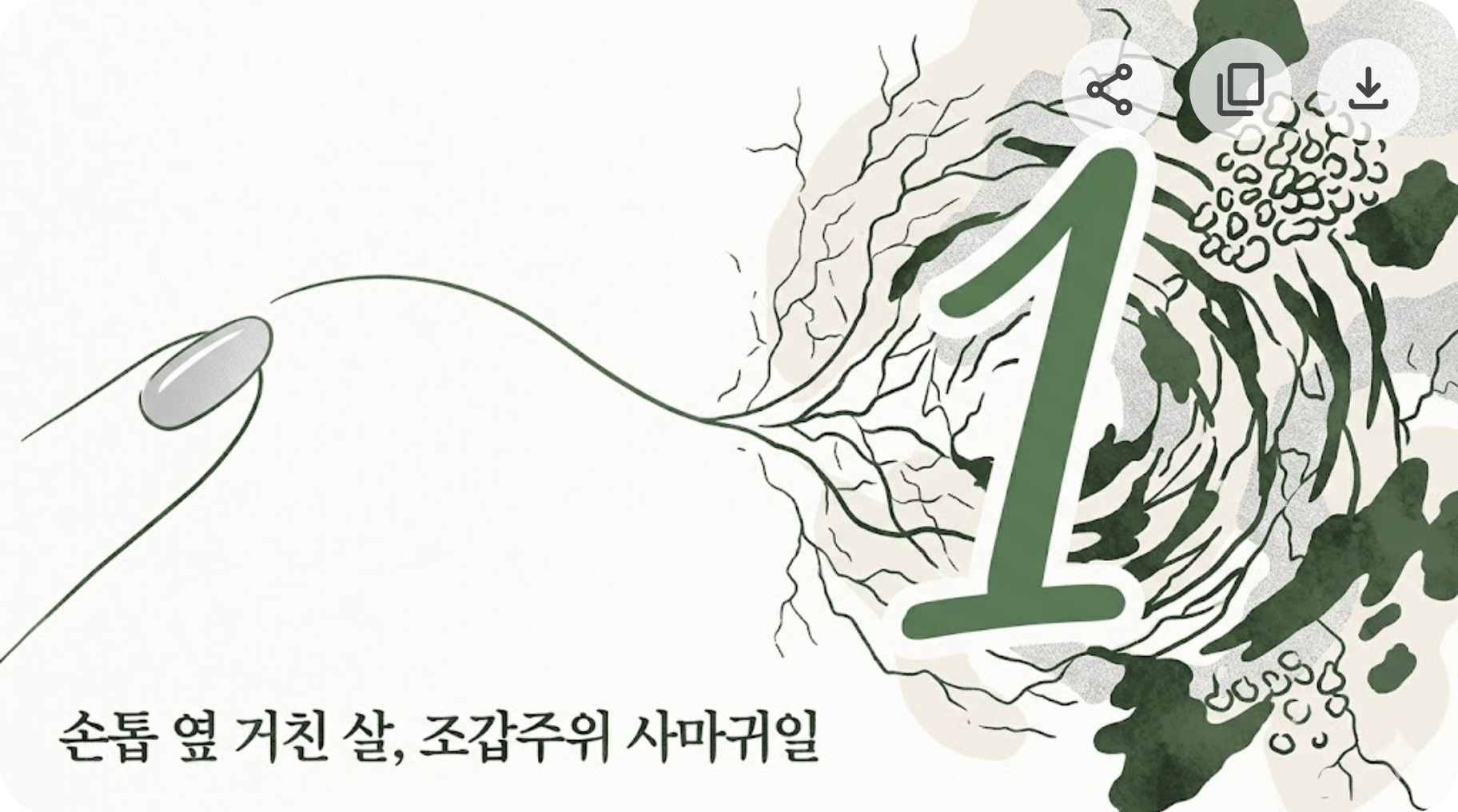
Three Approaches to Wart Treatment

  • Physical removal of warts
  • Inhibition of viral activity through antiviral effects
  • Immunity enhancement

For more details, please refer to the article below.

Important Aspects of Wart Treatment - Songdo Incheon Wart Korean Medicine Clinic

Human Papillomavirus (HPV) and Warts

Human Papillomavirus (HPV) can cause warts on various parts of the human body. Among over 150 types of HPV, different types tend to occur more frequently in specific areas.

Types of Warts

  • Small, rough-surfaced warts appearing on fingers and face (painless)
  • Large, flat warts appearing on the soles of the feet (potentially painful)
  • Warts appearing on the genitals, cervix, and anal area

HPV infection is very common, and some variants, in particular, can develop into cancers such as cervical cancer. HPV subtypes 16 and 18 are the cause of most cancers, while HPV types 6 and 11 are the cause of most genital warts.

HPV Transmission Routes and the Importance of Immunity

HPV is primarily transmitted through direct skin contact. When immunity is low, wart activity can increase, which is frequently observed, especially in children.

Wart Recurrence and Immunity

Wart symptoms tend to worsen when the body's condition is poor and can recur repeatedly. In such cases, a treatment plan that considers overall immunity and balance is necessary.

If warts recur repeatedly, please consider Korean traditional medicine treatment.

This has been a brief overview of warts from Miol Korean Medicine Clinic, Incheon Songdo branch.

Need Consultation?

Get personalized treatment.

Dr. Yeonseung Choe

Dr. Yeonseung Choe Chief Director

I have met many patients who came after visiting multiple medical institutions and departments for persistent or recurrent conditions. Symptoms normally handled by different specialties—such as abdominal pain, headaches, palpitations, dizziness, and insomnia—may overlap in one person. Sometimes there is no clear improvement despite taking medication for each symptom, and being unwell gradually becomes part of daily life. In these cases, I look beyond individual diagnoses and examine how the symptoms connect and change together. Asking only about the most uncomfortable symptom today does not reveal the full course. I look at when the body first began to change and what happened after illness, surgery, childbirth, or starting and stopping medication. I also review changes in weight, diet, and sleep, then trace which symptoms improved with previous treatment and which remained. Test results, diagnoses, and the course of previous treatment are important for understanding the current condition. Clinical research in modern Korean medicine, physiological and pathological research in modern medicine, and observations recorded in classical Korean medicine texts offer different perspectives on the same body. Rather than fitting a patient into one perspective, I consider what each can and cannot explain and look for clues that connect symptoms and treatment histories that were previously considered separately.

More Info →

Related Posts