
Scalp Psoriasis: Why Is It More Complicated and Difficult?

Table of Contents
- 1. Even after frequent shampooing, scales persist
- 2. Scalp Psoriasis is Often Diagnosed Late
- 3. While Similar in Appearance, Their Underlying Mechanisms Differ
- 4. Psoriasis Confined to the Scalp Differs from Psoriasis Affecting the Entire Body
- 5. The Scalp is a Difficult and Inconvenient Area for Treatment
- 6. Hair Loss? Yes, It Occurs
- 7. The Greater Challenge is People's Perception
- 8. Scalp Psoriasis: A Small but Heavy Burden
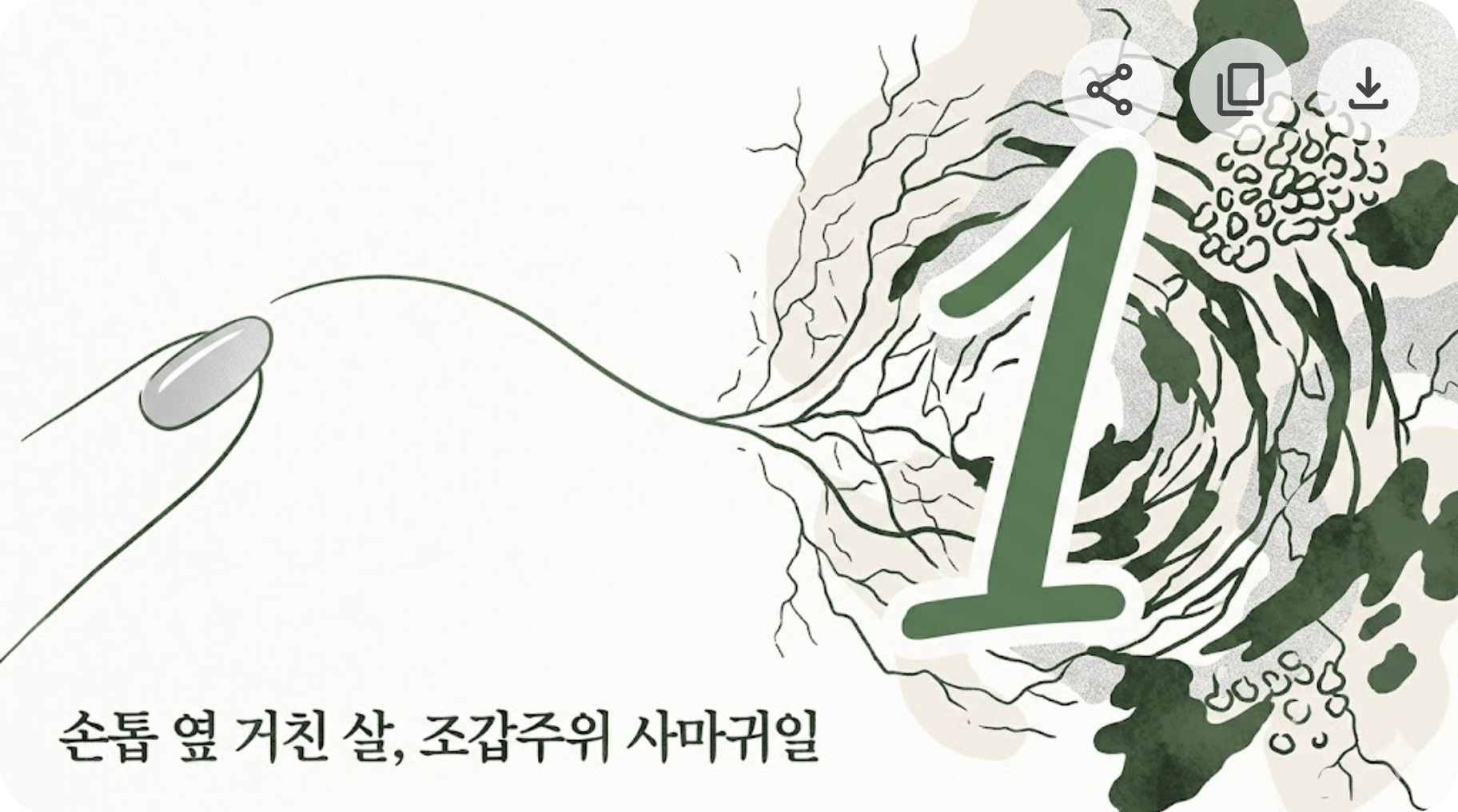
1. Even after frequent shampooing, scales persist
I've tried different shampoos, used dandruff-specific products, and even bought and applied ointments from the pharmacy, but the white scales won't stop. When I scratch with my fingernails, they fall off my scalp in clumps like dandruff, my skin is reddish and inflamed, and the itching often becomes severe. Naturally, at first, you'd think, "It must be seborrheic dermatitis," or "Is my scalp just dry?" But what if it's psoriasis?
2. Scalp Psoriasis is Often Diagnosed Late
The scalp is covered by hair. It's difficult to observe changes in the skin, and early lesions can be indistinguishable from seborrheic dermatitis, dandruff, or dryness. Consequently, most people dismiss it, thinking, "It's just dandruff," or "I just need to change my shampoo." Meanwhile, the lesions gradually thicken, scales accumulate in layers, and well-demarcated red skin spreads to the forehead, back of the neck, and around the ears.
3. While Similar in Appearance, Their Underlying Mechanisms Differ
While scalp psoriasis and seborrheic dermatitis may appear similar, their mechanisms and prognoses are entirely different. Seborrheic dermatitis is caused by sebum secretion and fungal reactions, whereas psoriasis is a disease triggered by overstimulation of the skin by immune cells. Therefore, scalp psoriasis will absolutely not improve with shampoos, moisturizers, or antifungals.
4. Psoriasis Confined to the Scalp Differs from Psoriasis Affecting the Entire Body
Psoriasis can be confined solely to the scalp, or it can be part of generalized psoriasis, affecting the scalp as well. Although they may appear similar, their implications differ. In scalp-limited psoriasis, the inflammation is localized, but diagnosis is difficult, and treatment is very inconvenient. When the scalp is involved as part of generalized psoriasis, the systemic inflammation has already spread, requiring a more aggressive approach.
5. The Scalp is a Difficult and Inconvenient Area for Treatment
Even when trying to apply medication, the hair obstructs visibility, and ointments or shampoos don't properly absorb into the skin. Due to the weak treatment efficacy, people often give up quickly, leading to the lesions deepening and eventually becoming chronic.
6. Hair Loss? Yes, It Occurs
Psoriasis does not directly attack hair follicles. However, if inflammation surrounds the area and persists for a long time, hair follicle function is also suppressed. Furthermore, with thick scales and frequent scratching due to itching, and picking at the scales with fingernails, hair can break, fall out, and thin. If hair follicles are repeatedly irritated and inflammation is not controlled, it can even lead to scarring alopecia.
7. The Greater Challenge is People's Perception
It looks like dandruff. White flakes fall onto the shoulders. The skin appears unkempt. This can create the impression that "this person is not clean." As a result, people with scalp psoriasis often lower their heads, feel anxious even after washing their hair and going out, and constantly suffer from the persistent judgment in others' eyes when meeting people.
8. Scalp Psoriasis: A Small but Heavy Burden
Just because it's on your head doesn't mean your body isn't affected. If it's visible but not properly recognized, the disease remains undiagnosed, and in the meantime, the lesions take root deep in the skin. Scalp psoriasis is difficult to diagnose, inconvenient to treat, can lead to hair loss, and most importantly, is a condition that carries a significant psychological burden. It is too complex and too long-lasting to be dismissed as mere dandruff.
#ScalpPsoriasis #IncheonScalpPsoriasis