
Shingles after-effects: Does the itching outlast the pain?

Table of Contents
Why does the itching persist even after the pain is gone? Patients often ask.
“The blisters have all healed, and the pain is gone... but I still feel strangely itchy. Why is this happening?”
Most people assume it's just a simple skin itch and apply ointment, but this itching is an entirely different matter. It's a sensory malfunction originating from the nerves – 'neuropathic itch' – and the fact that it can be a sequela of shingles is not widely known.
Today, we take a deep dive into the true nature of post-herpetic itch, which can persist longer than the pain.
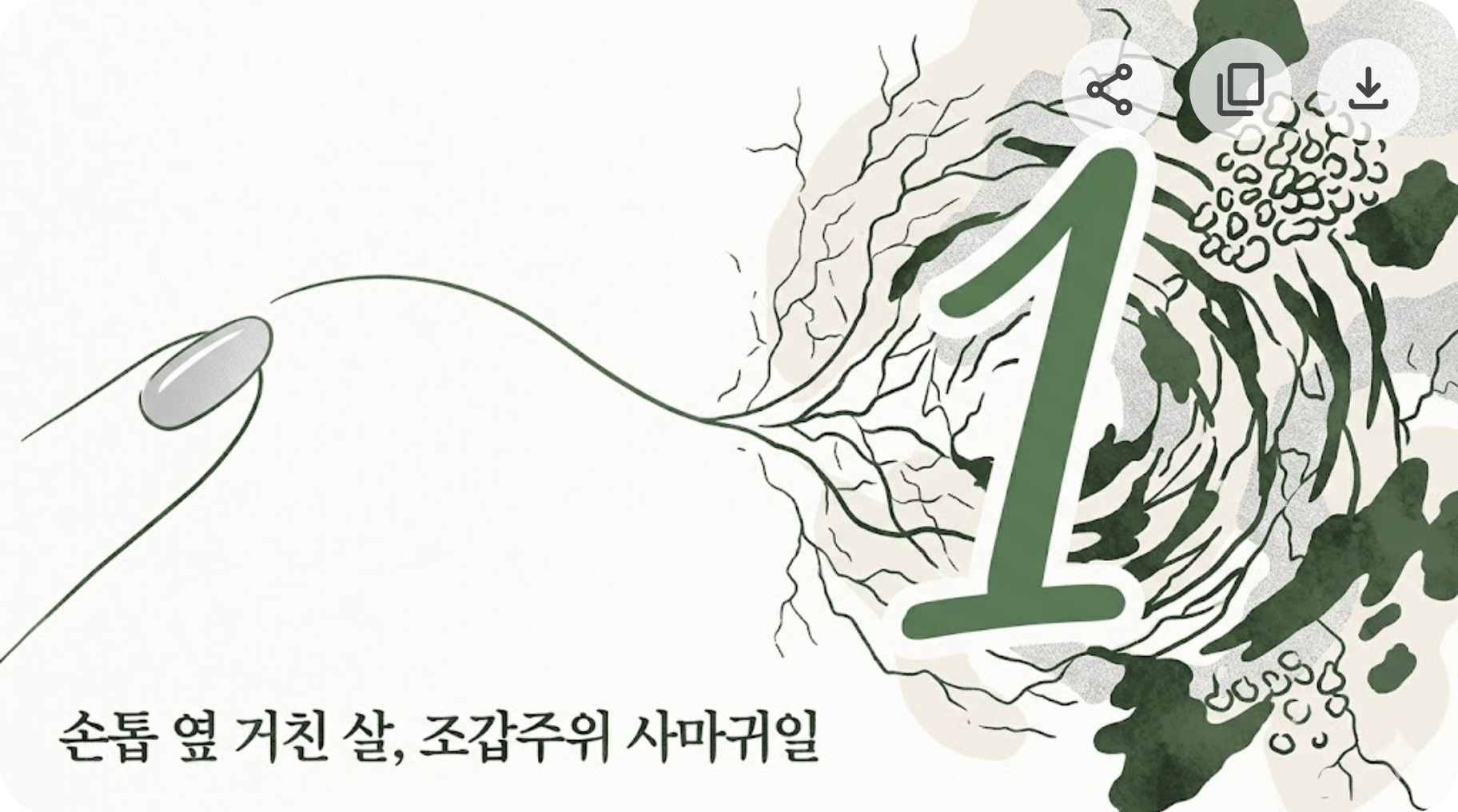
1. What Shingles Leaves Behind Isn't a Wound, It's Nerves
Shingles is not merely a skin disease. It's an infection closer to a neurological disorder, caused by the varicella-zoster virus (VZV), which lies dormant in the body and attacks the nerve ganglia.
Initially, blisters and pain are the main symptoms, but even after the disease subsides, the nerves do not fully recover. Especially after C-fiber nerve fibers, which are responsible for pain and itch sensations, are damaged, incorrect signals are often generated during the recovery process. As a result, even though the skin may appear normal, abnormal sensations remain, making it feel as if the nerves are constantly 'shooting out' itching from within.
2. The Itch: Why Scratching Doesn't Bring Relief
Typical itching is caused by external stimuli, such as the skin's histamine response. However, the itching after shingles is a neuropathic itch that arises during the regeneration of sensory nerves. In such cases, the characteristics are distinct.
- Scratching does not relieve the itch.
- The itch comes in sharp, intermittent bursts.
- There are mixed areas of dullness and hypersensitivity.
- There are no visible lesions on the skin.
Some patients even report feeling itchy on the opposite side of the body when the non-itchy side is touched. This is a sign that the process of reinterpreting sensory information in the central nervous system has gone awry.
3. How Long Can It Last?
Many patients believe this itching will subside in a few days. However, it can actually persist for months to years.
Cases where the initial pain was severe, where the patient is older or immunocompromised, or where only itching remains, leading to a delayed initial diagnosis – these situations carry a higher risk of chronification as nerve regeneration errors become entrenched. Indeed, some patients have reported itching in the same area for over 5 years.
Moreover, this itching carries more significance than mere discomfort. It can disrupt sleep, reduce concentration, and not uncommonly lead to feelings of depression.
4. How Should Treatment Be Approached?
The most common misconception is, “Can't I just apply ointment or take antihistamines?” However, these treatments are largely ineffective for neuropathic itch. This is because the problem isn't inflammation, but rather a disruption in nerve circuits.
Current treatments used in clinical practice include:
- Topical Neuromodulators: Lidocaine patches, menthol, pramoxine, etc.
- Neuropathic Pain Medications: Gabapentin, pregabalin, or low-dose tricyclic antidepressants
- Traditional Korean Medicine (TKM) Approach: Primarily focusing on 'Wind-Heat pattern differentiation' to regulate sensory dysfunction of the nerves
- Representative prescriptions: Hyungbangpaedok-san, modified Sopung-san, Gagam Soyo-san variations
- Acupoints for treatment: Daechu (GV14), Joksamni (ST36), Hapgok (LI4), Hyeolhae (SP10), etc.
Treatment begins with understanding that the symptoms are not merely skin-deep. Only by approaching it from the perspective of central sensory system malfunction and aberrant nerve regeneration can effective results be expected.
The 'Nerve's Trace': Requiring As Much Attention As Pain
We typically fear pain. However, in post-herpetic sequelae, it is sometimes the itch that persists longer. An unscratchable, unstoppable, invisible trace of the nerves.
Do not ignore this symptom; early and accurate recognition and response are the beginning of recovery.
#PostHerpeticSequelae #PostShinglesItch #IncheonPostHerpeticSequelae