Home Blog Mental Health
Sleepless Nights and Deepening Anxiety in Your 40s | Insomnia
Blog October 22, 2025

Sleepless Nights and Deepening Anxiety in Your 40s | Insomnia

Dr. Yeonseung Choe
Dr. Yeonseung Choe
Chief Director

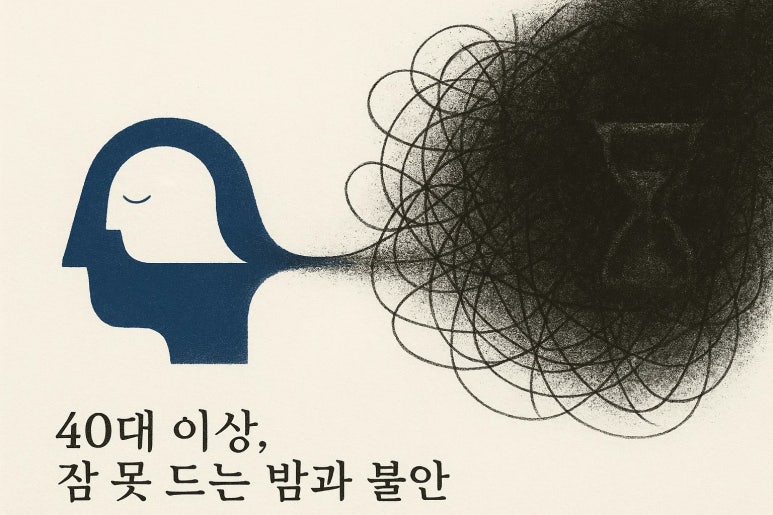
Sleepless Nights and Deepening Anxiety in Your 40s

When sleep problems and anxiety feed each other, breaking the cycle becomes crucial. This is especially common for those in their 40s juggling multiple life responsibilities.

The Vicious Cycle

Insomnia → Anxiety:

  • Sleep deprivation increases irritability
  • Worrying about not sleeping makes it harder to sleep
  • Daytime fatigue amplifies worry

Anxiety → Insomnia:

  • Racing thoughts prevent sleep onset
  • Physical tension keeps you awake
  • Worry about tomorrow disturbs rest

Understanding the Connection

At this life stage, several factors converge:

  • Hormonal changes (perimenopause)
  • Career pressures at peak responsibility
  • Family demands (aging parents, growing children)
  • Health concerns emerging

Korean Medicine Approach

1. Calming the Heart Spirit
Formulas that address the heart-mind connection, promoting natural sleep.

2. Nourishing Yin
Replenishing depleted resources that contribute to nighttime restlessness.

3. Soothing the Liver
Releasing pent-up stress and emotional tension.

4. Acupuncture
Targeting points that promote relaxation and regulate sleep-wake cycles.

Breaking the Cycle

For Sleep:

  • Consistent sleep schedule
  • Dark, cool bedroom
  • No screens 1 hour before bed
  • Relaxation routine

For Anxiety:

  • Regular exercise (but not near bedtime)
  • Mindfulness or meditation
  • Limiting caffeine and alcohol
  • Talking to someone you trust

You don't have to choose between treating insomnia and anxiety. Addressing both simultaneously often works best.

Need Consultation?

Get personalized treatment.

Dr. Yeonseung Choe

Dr. Yeonseung Choe Chief Director

I have met many patients who came after visiting multiple medical institutions and departments for persistent or recurrent conditions. Symptoms normally handled by different specialties—such as abdominal pain, headaches, palpitations, dizziness, and insomnia—may overlap in one person. Sometimes there is no clear improvement despite taking medication for each symptom, and being unwell gradually becomes part of daily life. In these cases, I look beyond individual diagnoses and examine how the symptoms connect and change together. Asking only about the most uncomfortable symptom today does not reveal the full course. I look at when the body first began to change and what happened after illness, surgery, childbirth, or starting and stopping medication. I also review changes in weight, diet, and sleep, then trace which symptoms improved with previous treatment and which remained. Test results, diagnoses, and the course of previous treatment are important for understanding the current condition. Clinical research in modern Korean medicine, physiological and pathological research in modern medicine, and observations recorded in classical Korean medicine texts offer different perspectives on the same body. Rather than fitting a patient into one perspective, I consider what each can and cannot explain and look for clues that connect symptoms and treatment histories that were previously considered separately.

More Info →

Related Posts